Factory-direct since 2006 · CE · GS · TÜV · ISO 9001 · Exporting to 130+ countries
Choosing the right Wheel Balancing Weights can help reduce steering-wheel vibration, uneven tire wear, and avoidable strain on suspension parts. Yet the best choice depends on the wheel, not just the price or product rating. Alloy and steel rims may need different weight styles, while spoke design and rim shape affect how securely a weight fits. Small details matter. A clip that looks close may still sit poorly on the rim, and adhesive weights need a clean, dry mounting surface.
This guide compares ten options by weight type, material, fit, attachment, and practical value. It also considers details buyers can check before ordering, such as weight increments, strip length, corrosion resistance, and whether the product suits the intended wheel. Not every listing explains these points clearly. That deserves a second look. Reviews can help, but they should not replace checking the vehicle and wheel manufacturer’s specifications. A balancing weight that works well on one set of rims may be unsuitable for another.
Proper wheel balancing requires accurate equipment and correct placement; weights alone cannot fix a bent rim, damaged tire, or worn suspension component. If vibration remains after balancing, have the wheel and tire inspected by a qualified technician. The comparisons ahead are intended to help narrow the choices, not promise a universal fit. Before buying, confirm compatibility and installation requirements for your wheels.
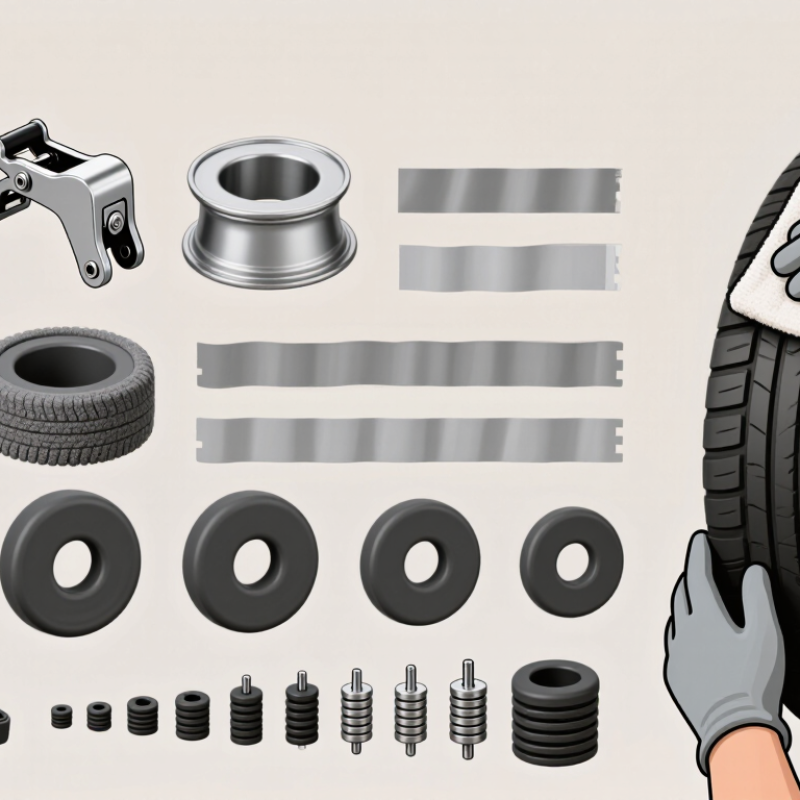
Wheel balancing weights correct small mass differences around a wheel-and-tire assembly. A heavy spot creates centrifugal force as the wheel spins, which can shake the steering wheel or seat. The Tire Industry Association’s Automotive Tire Service training materials describe static and couple imbalance as distinct conditions. Static imbalance tends to cause vertical bouncing; couple imbalance can produce side-to-side wobble. Weights placed on the rim counter these uneven forces. Small parts, noticeable effects.
For scale, an engineering estimate using the standard rotating-force equation gives about 26 newtons of force from a 10-gram imbalance at a 0.30-metre radius, spinning at 100 kilometres per hour. This is a calculation, not a universal test result; actual force changes with speed and imbalance location. A technician uses a balancing machine to identify where correction is needed, then attaches or clips weights to the specified rim positions. The weight type and placement depend on wheel design and the machine’s readings. A weight cannot fix a bent rim, damaged tire, or incorrect mounting. I’d still inspect those details before assuming balancing alone will solve a persistent vibration.
10 Best Wheel Balancing Weights for Buyers
Types and Materials of Wheel Balancing Weights
Wheel weights differ by material and attachment style. Clip-on weights grip the rim edge; adhesive weights stick inside the wheel barrel. Lead is dense, so a compact piece can correct imbalance. Zinc and steel are common alternatives, though they need more volume for the same correction. CRC Handbook reference densities are about 11.34 g/cm³ for lead, 7.14 for zinc, and 7.85 for iron; actual steel alloys vary. Small details matter. A clip that fits one rim profile may not seat securely on another.
Material choice also involves durability and handling. The USGS Mineral Commodity Summaries 2024 reports that recycled lead supplied about 70% of U.S. apparent lead consumption in 2023. That figure describes the wider lead market, not wheel-weight recycling specifically. It is useful context, but it cannot tell buyers how a particular weight was sourced. In workshop practice, clean bonding surfaces matter as much as the adhesive weight itself. Dust, brake residue, or a cold rim can weaken adhesion. I would not treat material alone as a guarantee of a lasting balance.
Tips: Match clip-on weights to the rim flange. For adhesive types, clean and dry the mounting area, then press the strip firmly into place. Recheck after installation. A tidy fit helps, but it does not replace a proper wheel-balance check.
The right choice depends on wheel construction, rim profile, required correction, and local regulations. Confirm weight compatibility with the wheel and balancing-machine instructions before installation.
| Weight Type | Typical Material | Attachment | Common Application | Advantages | Buyer Considerations |
|---|---|---|---|---|---|
| Segmented adhesive strip weight | Coated steel | Pressure-sensitive adhesive backing | Passenger-car alloy wheels with a suitable flat inner surface | Segments can be separated to match the correction amount; no rim flange clip is needed. | Surface must be clean, dry, and within the adhesive’s recommended temperature range. |
| Adhesive zinc strip weight | Zinc | Pressure-sensitive adhesive backing | Alloy wheels when a non-lead adhesive option is preferred | Can be cut or separated into smaller increments and placed discreetly inside the wheel. | Check availability, local requirements, strip dimensions, and wheel-surface clearance. |
| Adhesive lead strip weight | Lead | Pressure-sensitive adhesive backing | Only in applications and locations where lead wheel weights are permitted | Compact material can provide useful correction in a relatively small space. | Lead use is restricted or prohibited in some jurisdictions; verify applicable rules and handle responsibly. |
| Corrosion-resistant adhesive weight | Coated steel or zinc | Adhesive backing with a protective surface finish | Vehicles regularly exposed to rain, road salt, or wet conditions | A protective finish can help reduce corrosion during normal service. | Coatings and adhesive performance vary; the wheel still needs proper cleaning and installation. |
| Low-profile adhesive weight | Coated steel or zinc | Thin adhesive segments | Wheels with limited clearance behind spokes or near brake components | Low height can help with clearance in confined mounting areas. | Measure available space and ensure the weight will not contact brakes or suspension parts. |
| Standard clip-on weight for steel rims | Steel, often with a protective coating | Clip fitted over the rim flange | Steel wheels with a flange profile designed for the clip | Quick to install and does not rely on adhesive for retention. | Clip shape must match the rim profile; an incorrect clip can damage the rim or fit poorly. |
| Clip-on weight for alloy-wheel flanges | Coated steel or zinc | Wheel-specific clip fitted to the flange | Alloy wheels designed to accept a clip-on weight | Provides an alternative to adhesive weights where the wheel profile permits clipping. | Use a clip specified for the exact flange style to reduce the risk of cosmetic damage. |
| Clip-on zinc weight | Zinc | Clip fitted over a compatible rim flange | Steel or alloy wheels with a matching clip profile | Offers a non-lead material option in a clip-on format. | Confirm the correct clip geometry and the weight’s suitability for the wheel material. |
| Clip-on lead weight | Lead | Clip fitted over a compatible rim flange | Legacy or permitted applications where the rim profile matches | Can fit applications where a compact clip-on correction is needed. | Lead restrictions vary by location; check current regulations before purchase or use. |
| Spoke-type motorcycle wheel weight | Steel or zinc, depending on design | Designed for a compatible spoke or wheel mounting point | Motorcycle wheels that use spoke-mounted balancing weights | Made for wheel designs where standard passenger-car clip-on or adhesive formats may not suit. | Match the weight to the wheel and spoke design; follow the motorcycle manufacturer’s service guidance. |
Choosing wheel balancing weights starts with the wheel, not the package. Identify whether the rim is steel or alloy, then inspect its flange and inner barrel. Clip-on weights need a compatible flange profile; adhesive weights need a clean, flat mounting surface. Check brake-caliper clearance, too. A weight that rubs can loosen or damage nearby parts.
Small detail. Easy to miss.
SAE International’s J1986_202203 standard covers wheel-balancing weights and their application. Use it as a technical reference, but confirm fitment against the vehicle and wheel manufacturer’s specifications. Material matters: select a weight compatible with the wheel’s finish and service conditions. For adhesive types, remove dirt and moisture, and press the strip firmly onto the prepared surface. Cold rims can weaken adhesion, so follow the weight maker’s temperature guidance.
Ask the technician how much imbalance was measured and where correction is needed. The units help: one ounce placed 12 inches from the wheel center represents 12 ounce-inches of imbalance. That simple calculation shows why placement matters as much as weight. I’d avoid choosing a heavier strip just to compensate for uncertain installation; that can hide the real issue. If vibration remains after balancing, recheck tire seating, wheel runout, and the measurement setup before adding more weight.
10 Best Wheel Balancing Weights for Different Needs
The right weight depends on the wheel, not just the vehicle. Clip-on weights suit steel wheels with a compatible rim flange; adhesive strips fit many alloy wheels and hide behind the spokes. For tight-clearance calipers, choose a slim profile and confirm clearance through a full wheel rotation. Fit comes first.
Material matters, too. Coated steel or zinc weights can help resist corrosion in wet, salty conditions, while segmented adhesive strips make small corrections easier. USTMA’s 2024 Factbook reports roughly 334 million U.S. tire shipments in 2023, reflecting a large and varied service market—not one universal weight choice. Check the wheel maker’s guidance, weight shape, and adhesive surface before buying. A dirty or cold mounting surface can weaken adhesion. Easy to overlook.
For fleet vehicles, prioritize secure retention and consistent installation; for occasional drivers, a small assortment of compatible sizes may be more practical. NHTSA’s 2022 Traffic Safety Facts recorded 646 deaths in tire-related crashes. That figure does not show that imbalance caused those crashes, but persistent vibration deserves inspection rather than guesswork. Ask a technician to verify the wheel’s balance and the weight’s fit, especially after a repair or seasonal tire change.
A practical comparison of common weight styles by typical use. Scores are qualitative guidance, not laboratory test results or product ratings.
Clip-on weights are designed for compatible rim flanges; adhesive weights attach to a clean inner wheel surface and are commonly used on alloy wheels. The right choice depends on wheel design, clearance, and vehicle requirements. Confirm fitment with the wheel or vehicle manufacturer, and follow local rules on weight materials.
Selecting wheel balancing weights involves more than matching grams. Choose a style suited to the wheel’s rim profile and finish. Clip-on weights must fit securely without contacting brake components. Adhesive weights need a clean, dry mounting surface and firm pressure across the strip. That detail matters.
Before installation, inspect the rim for corrosion, old adhesive, and damage. Use a calibrated torque wrench when reinstalling the wheel, following the vehicle maker’s specification. The National Highway Traffic Safety Administration’s TireWise guidance notes that tire pressure changes by about 1 psi for every 10°F change in temperature. Check pressure monthly; balancing weights cannot correct underinflation or alignment problems.
After balancing, confirm the machine reports acceptable readings and take a short, cautious drive. Persistent vibration deserves another inspection, not a heavier weight added by guesswork. Recheck weights during tire rotations and after pothole impacts; a missing strip or shifted clip can restore vibration. In practice, surface preparation is easy to rush. A little residue can weaken adhesive, even when the balance reading initially looks right.
They counter small weight differences in a wheel-and-tire assembly. This helps reduce steering-wheel shake or seat vibration.
Static imbalance may cause vertical bouncing. Couple imbalance can create side-to-side wobble. The symptoms can overlap, so they are not a diagnosis by themselves.
A balancing machine measures the assembly and indicates correction points. The wheel’s design and machine readings guide the weight type and placement.
No. They cannot repair a bent rim, damaged tire, incorrect mounting, low pressure, or alignment problem. Check those too.
The rim should be clean and dry, with old residue removed. Press the strip firmly across its surface. Small detail, real consequences.
Use a calibrated torque wrench and follow the vehicle maker’s specification. Also ensure clip-on weights fit securely without touching brake components.
Check tire pressure monthly; temperature changes can affect it. Recheck weights during tire rotations and after pothole impacts.
Arrange another inspection instead of adding weight by guesswork. I’d question the original assumptions, too. A short, cautious drive can help reveal whether the problem remains.
Wheel Balancing Weights help correct uneven weight distribution in a wheel-and-tire assembly, reducing vibration and supporting smoother, more comfortable driving. This guide explains how balancing weights work and compares common types and materials, including options suited to different wheel designs, driving conditions, and durability needs. It also outlines the key factors to consider when choosing weights, such as fit, attachment method, compatibility, and resistance to weather and road debris.
The selection of 10 recommended options is organized around different buyer needs rather than a single universal choice. The guide also covers safe installation practices, including preparing the wheel surface, positioning weights accurately, and checking that they remain secure. Regular inspection can help identify loosened or damaged weights early, maintain balanced performance, and protect the wheel finish.