Blog
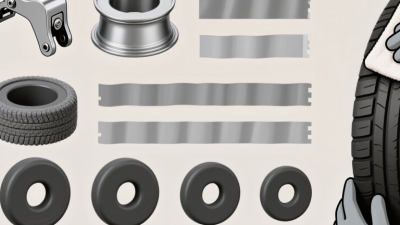
10 Best Wheel Balancing Weights for Buyers
Choosing the right Wheel Balancing Weights can help reduce steering-wheel vibration, uneven tire wear, and avoidable strain on suspension parts. Yet the best choice depends on the wheel, not just the price or product rating. Alloy and steel rims may need different weight styles, while spoke design and rim shape affect how securely a weight fits. Small details matter. A clip that looks close may still sit poorly on the rim, and adhesive weights need a clean, dry mounting surface.
This guide compares ten options by weight type, material, fit, attachment, and practical value. It also considers details buyers can check before ordering, such as weight increments, strip length, corrosion resistance, and whether the product suits the intended wheel. Not every listing explains these points clearly. That deserves a second look. Reviews can help, but they should not replace checking the vehicle and wheel manufacturer’s specifications. A balancing weight that works well on one set of rims may be unsuitable for another.
Proper wheel balancing requires accurate equipment and correct placement; weights alone cannot fix a bent rim, damaged tire, or worn suspension component. If vibration remains after balancing, have the wheel and tire inspected by a qualified technician. The comparisons ahead are intended to help narrow the choices, not promise a universal fit. Before buying, confirm compatibility and installation requirements for your wheels.
Read more »
 By:Avery
- November 12, 2026
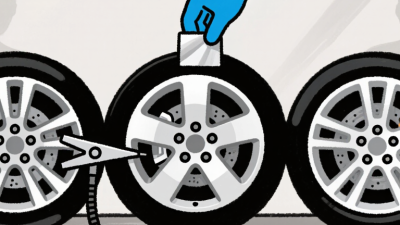
How to Choose Wheel Balance Weights in 2026?
Choosing Wheel Balance Weights in 2026 is not just a matter of picking the cheapest strip or clip. The right weight depends on the wheel’s material, shape, and approved fitment. A steel wheel may accept a clip-on weight, while many alloy wheels need an adhesive type placed inside the rim. Check the vehicle and wheel manufacturer’s guidance before deciding. Small details matter.
A good choice also needs to suit the balancing equipment and the conditions the vehicle will face. Road salt, frequent washing, and temperature changes can challenge a weight’s coating or adhesive. Ask whether the product is intended for your wheel and whether its surface is clean and dry before installation. Even a well-made weight can fail to stay put if preparation is rushed. Fit matters.
This guide explains how to compare Wheel Balance Weights by attachment style, material, corrosion protection, and compatibility. It also covers what to inspect after installation, including clearance from brake parts and signs of movement. A balanced wheel should reduce vibration, but weights cannot correct every cause of vibration. Tire damage, uneven wear, or a bent rim may need separate attention. A tidy installation is helpful, but it is not proof of a correct balance. When symptoms persist, have a qualified tire professional recheck the assembly with suitable equipment. Choices can look simple on a product page; the wheel in front of you is the real test.
Read more »
By:Avery
- November 12, 2026
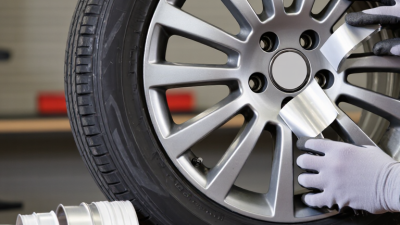
How to Choose the Right Wheel Weights?
Choosing the right Wheel Weights can make the difference between a smooth ride and a steering wheel that trembles at highway speed. The correct choice depends on the wheel’s material, shape, and balance requirements—not just the vehicle model. A steel rim may accept a clip-on weight designed for its flange, while an alloy wheel often needs a compatible adhesive weight. Fit matters. A poorly matched clip can damage a rim, and a misplaced adhesive strip may interfere with brake components.
Before selecting a weight, check the wheel and vehicle manufacturer’s specifications, then confirm the required amount and placement with a properly calibrated balancing machine. For adhesive weights, the mounting area should be clean, dry, and free of old tape or road grime. For clip-on styles, the clip must match the rim profile securely. Small details count. The wrong shape can loosen, even when its weight seems correct.
There is no single best option for every wheel. Road conditions, previous repairs, and wheel design can all affect the result. I would not rely on appearance alone; that can be misleading. A qualified tire professional can verify fitment and balance, especially when a wheel has unusual contours or persistent vibration. This guide explains the main weight types, how to compare them, and what to check before installation—while recognizing that real wheels do not always behave exactly as expected.
Read more »
By:Avery
- November 12, 2026