High-Precision Wheel Balancing Consumables & Service Machinery
Engineered for original equipment manufacturers (OEM), Tier-1 automotive suppliers, and global aftermarket distributors seeking verified quality standards.

Fe Stick on Wheel Weights Auto Parts Round Corner Balance Block
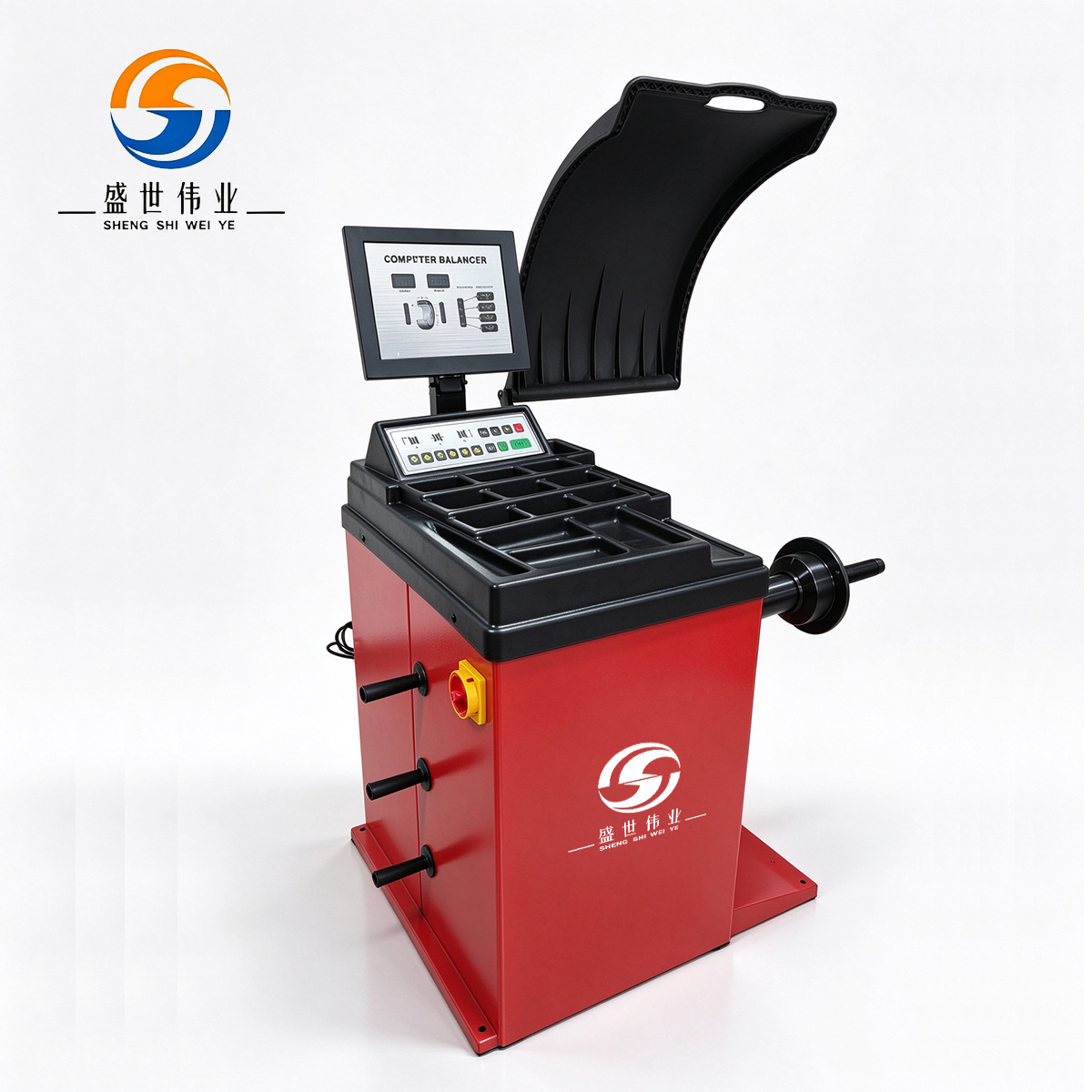
Fully Automatic High Precision Tire Balancer Wheel Balancing Machine for Car Repair Shop
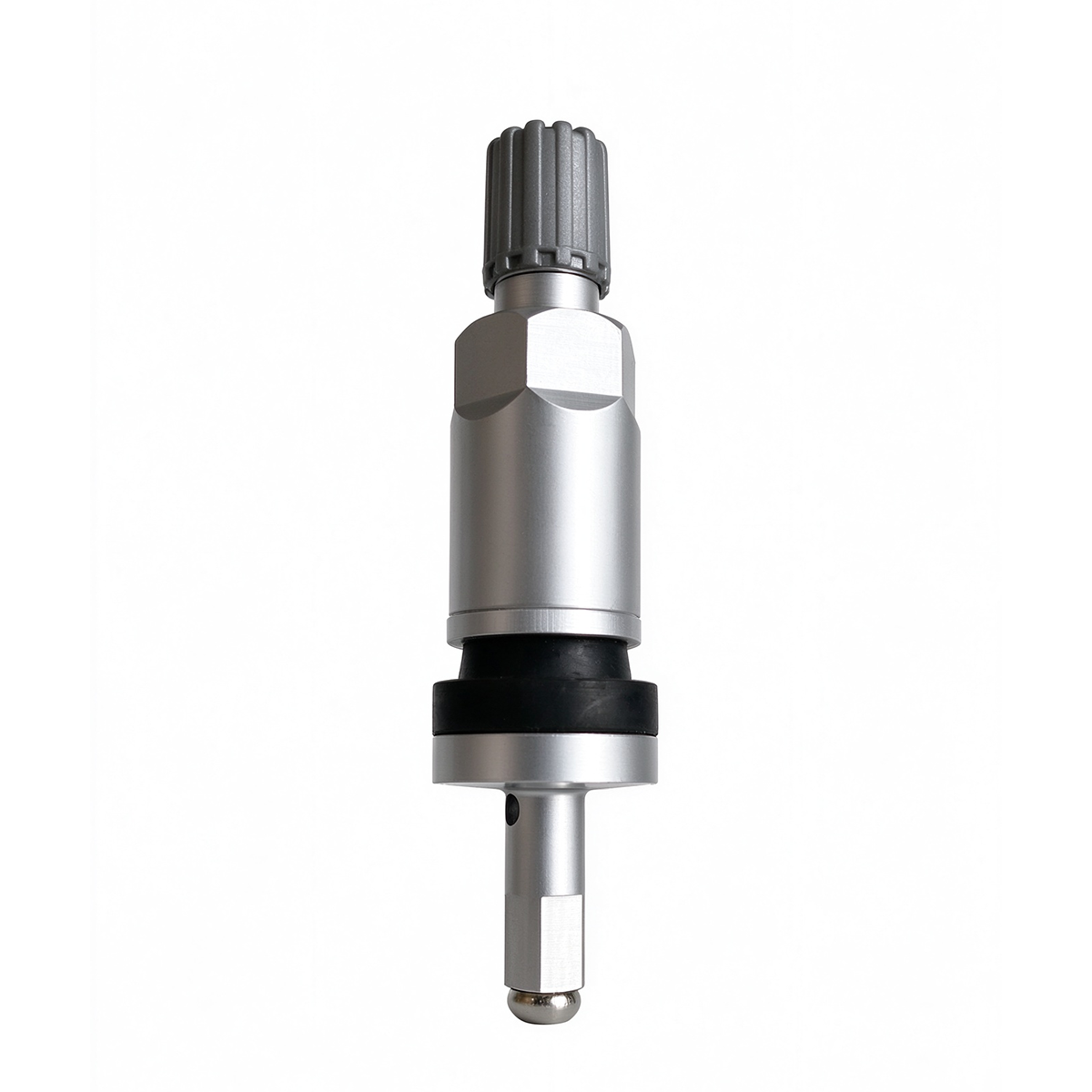
Professional Aluminum Alloy TPMS Tire Valve Stems for Tubeless Wheels Silver Replacement Sensor Valve Stem
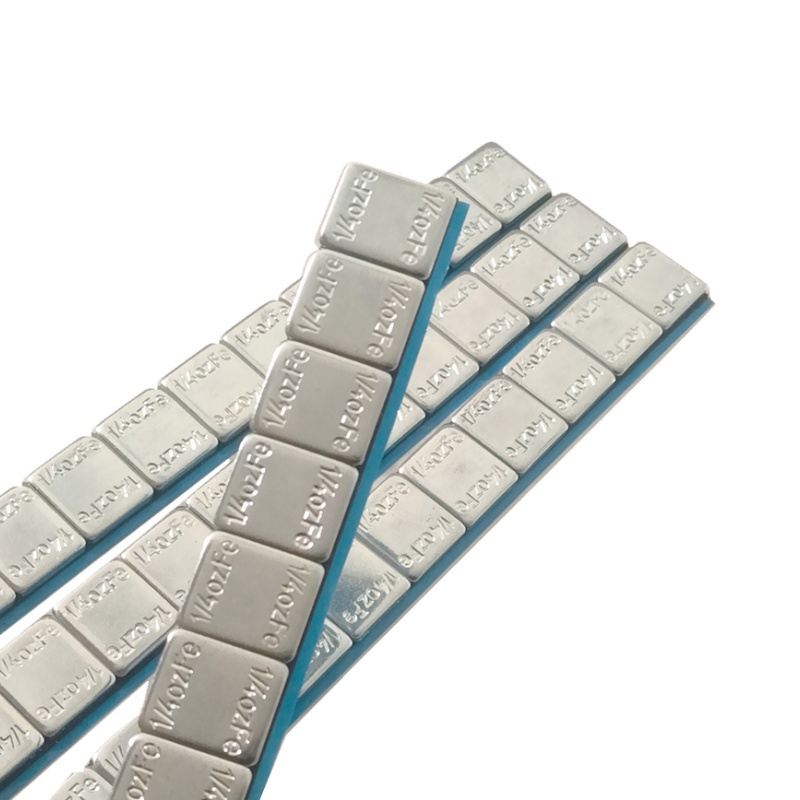
Wheel Weights 1/4 Oz Strips Zinc Plated With Blue Tape

Pneumatic TPMS Tire Valve Stem Aluminum Alloy Pressure Sensor Valves for Universal Vehicle

Professional Aluminum Alloy TPMS-20 Tire Valve Stem Replacement Snap-in Sensor Valves
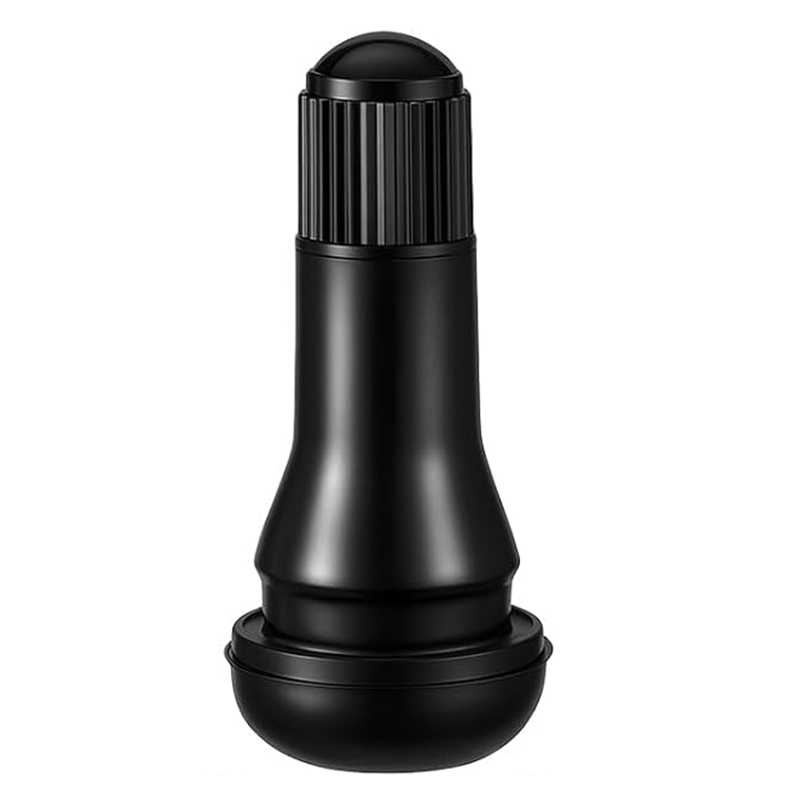
Factory Direct Tire Valve Easy Installation Tubeless Rubber Snap-In Valve
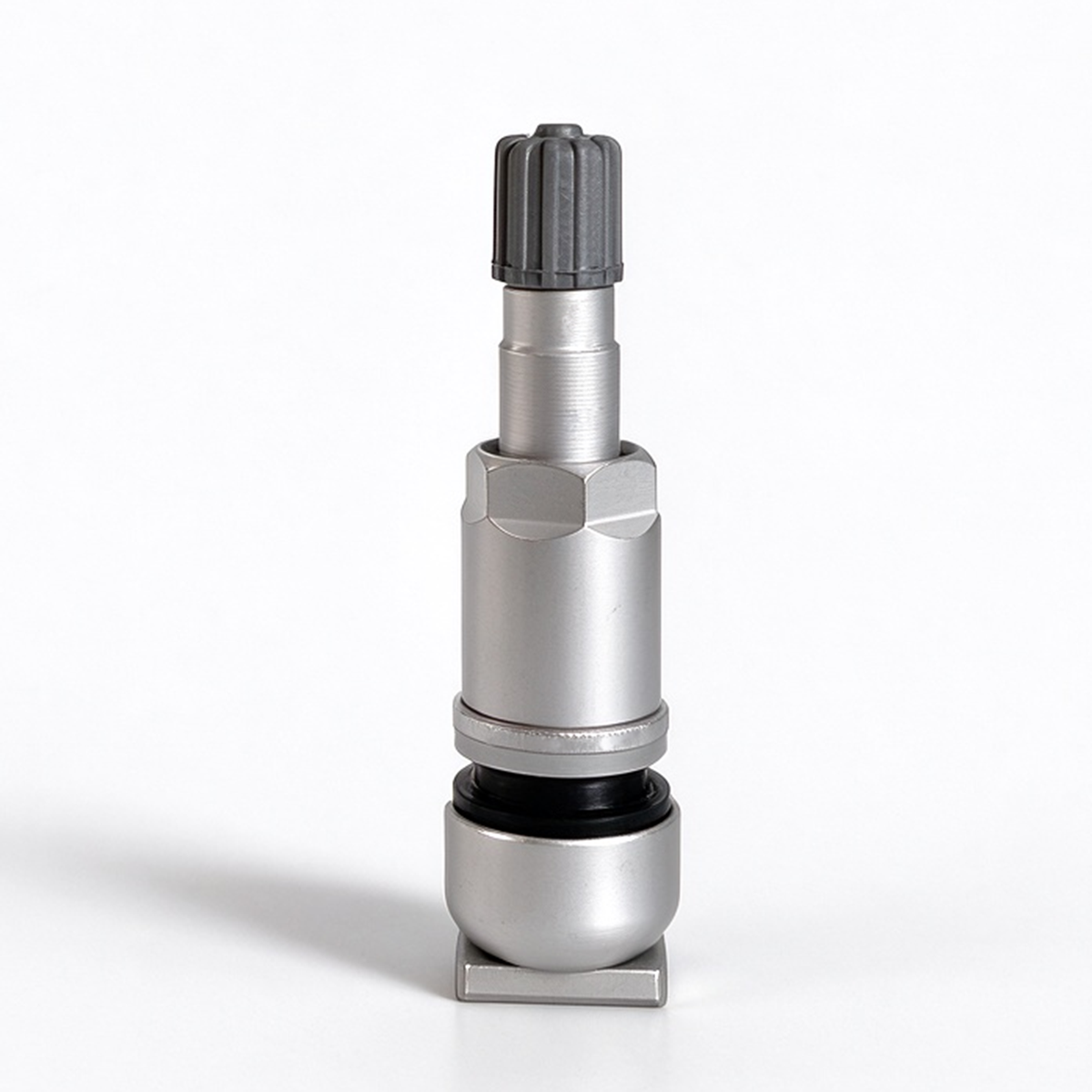
China Manufacture Automotive Exterior Accessories TPMS Sensor Tire Valve Stem
Engineering Principles & Material Science of Wheel Balancing
Analyzing dynamic unbalance force resolution, corrosion mitigation, and pressure-sensitive adhesive performance in modern automotive wheel assemblies.
Dynamic wheel unbalance represents one of the primary vectors of vehicle chassis vibration, accelerated tire tread wear, and premature degradation of suspension geometry. As modern passenger cars and commercial vehicles transition toward higher operating speeds, electric vehicle (EV) instant torque output, and low-profile alloy wheel profiles, the precision requirements governing counterweight manufacturing have increased exponentially.
1. Dynamic Force Vector Resolution & Unbalance Mechanics
Wheel unbalance manifests in two distinct mechanical phenomena: static unbalance (where the heavy spot of the tire/wheel assembly resides on a single plane causing vertical hop) and dynamic unbalance (where two heavy spots exist on opposing planes causing horizontal wobble or shimmy). Wheel balance weights serve as calibrated counter-forces placed at exact radial offsets to neutralize these force vectors.
To achieve high dynamic accuracy, modern wheel balance weights must maintain ultra-strict mass tolerances (±0.1 grams per segment). Deviations in segment weight lead to residual unbalance at high rotational speeds (RPM), translating into centrifugal forces calculated via:
Centrifugal Force Formula: F = m · ω² · r
Where m represents unbalance mass, ω is angular velocity, and r is the radial distance from the axle center. At 120 km/h, even a minor 10g weight tolerance error generates dynamic impact forces capable of disrupting vehicle handling and electronic stability control (ESC) sensor inputs.
2. Metallurgy & Material Transition: Phase-Out of Lead (Pb) to Fe & Zinc
Historically, lead (Pb) was the standard material for wheel weights due to its high density (11.34 g/cm³) and malleability. However, global environmental directives—specifically the European Union's End-of-Life Vehicles (ELV) Directive 2000/53/EC, REACH Annex XVII regulations, and U.S. State EPA lead reduction mandates—have effectively eliminated lead from automotive supply chains in North America, Western Europe, and key APAC markets.
Leading OEM/ODM manufacturers have optimized alternative metallurgical formulations:
- Fe (Cold-Rolled Carbon Steel / Q195 / SPCC): The predominant global standard for adhesive (stick-on) wheel weights. Offers high structural integrity, consistent mass density (~7.85 g/cm³), and excellent cost efficiency. Steel segments undergo precision cold stamping to shape rounded edges that prevent rim scratches.
- Zinc Alloys (Zn): Primarily utilized for specialized clip-on weights where high ductility and non-ferrous corrosion properties are specified by OEM rim manufacturers. Zinc provides a density of ~7.14 g/cm³, offering compact dimensioning close to lead profiles.
3. Surface Engineering & Anti-Corrosion Protective Coatings
Because adhesive wheel weights reside in harsh operating environments exposed to de-icing salt chemicals (calcium chloride, sodium chloride), brake dust, UV radiation, and high-pressure water jets, surface plating integrity is critical. Uncoated carbon steel rapidly oxidizes, creating rust stains on high-end alloy rims and undermining tape bond integrity.
At Cangzhou Olsik Automobile Accessory Co., Ltd., wheel weights undergo multi-stage protective surface treatments engineered to surpass international automotive standards:
| Coating / Plating Type | Layer Thickness | Salt Spray Test (ASTM B117 / ISO 9227) | Thermal Cycle Rating | Primary Market Application |
|---|---|---|---|---|
| Electro-Galvanized (Zinc Plated) | 8 – 12 μm | 72 to 120 Hours NSS (No Red Rust) | -40°C to +100°C | Standard Aftermarket / Commercial Fleets |
| Epoxy Resin Electrostatic Powder Coating | 60 – 90 μm | 300 to 500 Hours NSS (Superior Protection) | -40°C to +120°C | Premium OEM / European & North American Markets |
| Dual-Layer (Zinc Plating + Epoxy Seal) | 12 μm Zn + 50 μm Epoxy | > 720 Hours NSS (Extreme Environment) | -50°C to +150°C | Severe Winter Climates / OE Assembly Lines |
4. Pressure-Sensitive Adhesive (PSA) Tape Polymer Chemistry
The structural link between the balance weight segment and the aluminum alloy rim relies on specialized double-sided Pressure-Sensitive Adhesive (PSA) acrylic foam tape. Key physical performance parameters include:
- Peel Adhesion (ASTM D3330): High initial tack with final bond strength exceeding 25 N/25mm after 24-hour dwell time.
- Shear Stress Load Capability: Formulated to resist centrifugal shearing force exceeding 150g acceleration during high-speed vehicle maneuvers.
- Easy-Peel Release Liner Technology: Incorporates wide finger-lift backing options (Blue Tape, White Paper, Red HDPE Film) that streamline technician workflow in high-volume tire service bays.
Product Development & Global Procurement Trends (2025–2030)
Key technological shifts shaping the future of wheel balancing consumables and tire valve supply chains worldwide.
1. Automated Robotic Wheel Weight Assembly Compatibility
Automotive OEM tire mounting assembly lines are rapidly adopting automated robotic balancing cells. These machines require continuous roll-form wheel weights with ultra-consistent segment spacing, precision tape alignment, and zero edge burrs to prevent machine jam-ups. Factory sourcing is shifting toward continuous 5kg to 10kg spool rolls packaged for automated dispenser systems.
2. Enhanced Galvanic Corrosion Isolation for EV Rim Alloy Formulations
Electric vehicles feature specialized lightweight magnesium and aluminum alloy wheel rim compositions to optimize range. Contact between raw steel weights and advanced alloys induces galvanic corrosion. Procurement trends favor non-conductive complete epoxy encapsulation coats and specialized polymer backing layers that eliminate direct metal-to-metal chemical potential differentials.
3. Universal TPMS Sensor Valve Stem Integration
With direct Tire Pressure Monitoring Systems (TPMS) mandatory across global markets, standard snap-in rubber valves (TR413/TR414) are increasingly paired with or upgraded to precision aluminum alloy clamp-in TPMS valve stems. Importers are consolidating procurement orders to factories offering integrated kits combining lead-free weights, TPMS service valves, and sensor core rebuild accessories.
Cangzhou Olsik Automobile Accessory Co., Ltd. - Enterprise Overview
Over 18 years of technical mastery in automotive tire service parts, international supply chain execution, and custom OEM/ODM production.
Established in 2006, Cangzhou Olsik Automobile Accessory Co., Ltd. is headquartered in Kongzhuang Village, Guozhuang Town, Xian County, Cangzhou, Hebei, China—strategically positioned within the Beijing-Tianjin-Hebei economic development hub. Spanning an expansive manufacturing area of over 10,000 square meters, Olsik operates automated cold-stamping presses, continuous plating lines, electrostatic powder coating systems, and automated packaging machinery.
Core Factory & Enterprise Competencies:
- Annual Production Scale: Over 1,000,000 units/strips produced annually with rigid batch-to-batch consistency.
- Comprehensive Certification Portfolio: Quality management certified under ISO 9001, with product international compliance standard qualifications including CE, GS, and TÜV, supported by registered national utility patents.
- End-to-End Quality Inspection: From raw steel wire and Q195 coil inspection to automated 100% optical sorting, mass tolerance check, tape shear strength test, and salt spray chamber validation.
- Full OEM/ODM Private Label Services: Custom segment weight configurations (5g, 10g, 1/4 oz, 1/2 oz), customized high-tack tape colors (Blue, Red, White, Black), branded retail color box printing, and barcode carton labeling.
- Unrivaled Logistics Hub Proximity: Convenient proximity to Tianjin Port (Xingang) enables streamlined FCL/LCL ocean freight dispatch, reducing inland transit lead time and shipping costs for global importers across 130+ countries.
Frequently Asked Questions (FAQ) for Purchasing Managers
Detailed technical, commercial, and regulatory guidance for international buyers sourcing wheel balance weights and tire accessories.
1. Are Cangzhou Olsik wheel balance weights 100% compliant with EU & US lead-free regulations? +
2. What is the standard shelf life of the pressure-sensitive adhesive (PSA) tape on stick-on weights? +
3. What OEM/ODM branding customization options are available for distributors? +
4. What Minimum Order Quantities (MOQ) apply for OEM bulk orders? +
5. How does Olsik prevent rust formation on steel wheel balance weights during ocean transportation? +
6. What ambient temperature is recommended for applying adhesive wheel weights? +
7. Which international trade terms (Incoterms) and payment methods are supported? +
8. Can Olsik supply custom engineered drawings or match specific vehicle OEM specifications? +
9. What quality control testing procedures are conducted prior to container dispatch? +
10. How does proximity to Tianjin Port benefit international buyers working with Olsik? +
Partner with China's Premier Wheel Weight & Valve Manufacturer
Contact our export engineering team today for factory-direct price quotes, technical datasheets, material safety samples, and custom OEM packaging layout designs.