




Global Procurement & Ecosystem Analysis for High-Pressure Tire Valves
In modern automotive engineering and fleet logistics, the humble tire valve stem serves as a critical safety pressure barrier. Modern heavy-duty commercial vehicles, light trucks, high-performance passenger cars, and electric vehicles (EVs) operate under significantly higher inflation pressures and thermal stress profiles than legacy transport. As global transportation networks scale up efficiency, procurement teams must look past basic unit price and analyze the engineering integrity, material science compliance, and chemical resilience offered by top China high pressure tire valves suppliers and wholesalers.
The transition toward high-pressure tubeless rim configurations (often exceeding 65 psi cold inflation for light trucks and up to 130 psi for commercial heavy duty transport) has rendered standard rubber snap-in valves insufficient for heavy-cycle applications. Sourcing directors must now evaluate suppliers based on vulcanization parameters, brass core metallurgy, EPDM synthetic rubber purity, and precise thread tolerances. Modern procurement is no longer transactional—it requires deep strategic alignment with certified original equipment manufacturers (OEMs) capable of guaranteeing structural longevity under extreme operating conditions.
Critical Factors Driving High-Pressure Valve Demand
EV Weight & Torque Surge
Electric vehicles possess heavier curb weights due to battery packs and deliver instantaneous torque, increasing tire sidewall deflection and rim flexing. High-pressure rated brass and aluminum clamp-in valves are essential to prevent unseating or flex fatigue.
Strict Lead-Free Legislation
Environmental standards such as EU REACH, RoHS, and US State-level EPA directives strictly regulate heavy metal contamination. High-tier suppliers utilize lead-free Fe balance weights and eco-compliant brass/aluminum alloy formulations.
TPMS Sensor Integration
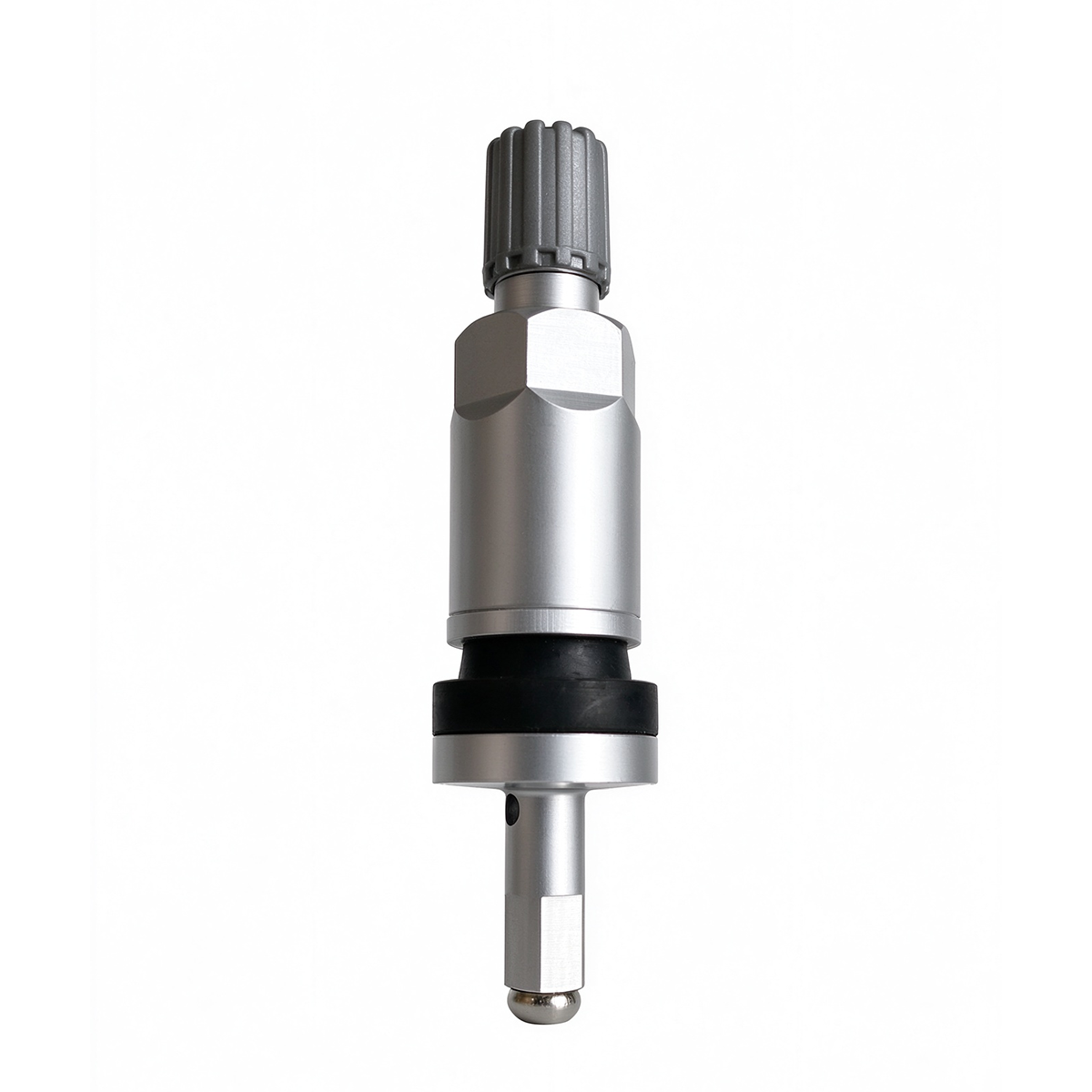
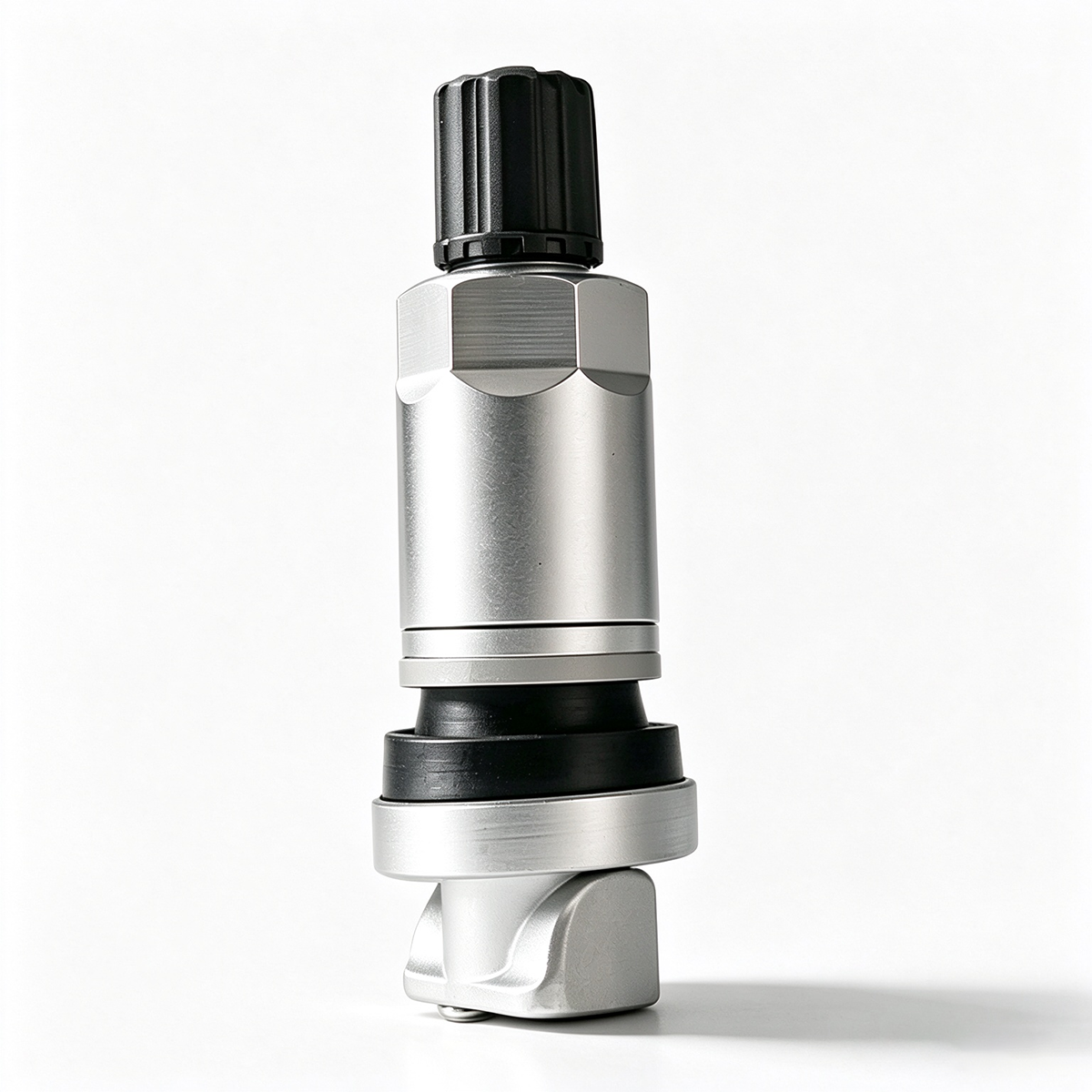
Direct Tire Pressure Monitoring Systems (TPMS) mandate specialized clamp-in aluminum and high-grade rubber stems that provide airtight seals around sensitive electronic sensor modules under aggressive vibrations.
China's industrial hardware ecosystem—specifically centered in manufacturing hubs like Cangzhou, Hebei—has evolved from low-cost mass production to high-precision engineering. Leading factories leverage automated CNC machining, computerized rubber vulcanization chambers, and automated 100% pneumatic leak-testing protocols. This technical evolution positions certified Chinese manufacturers as indispensible tier-2 and tier-3 partners for global tire service brands, automotive chains, and regional wholesale networks.