Featured Tire Service & Industrial Consumables
Directly integrated with our OEM manufacturing capabilities in China, supplying high-durability tire components, valves, balance weights, and vulcanizing tools to Burgas distributors.
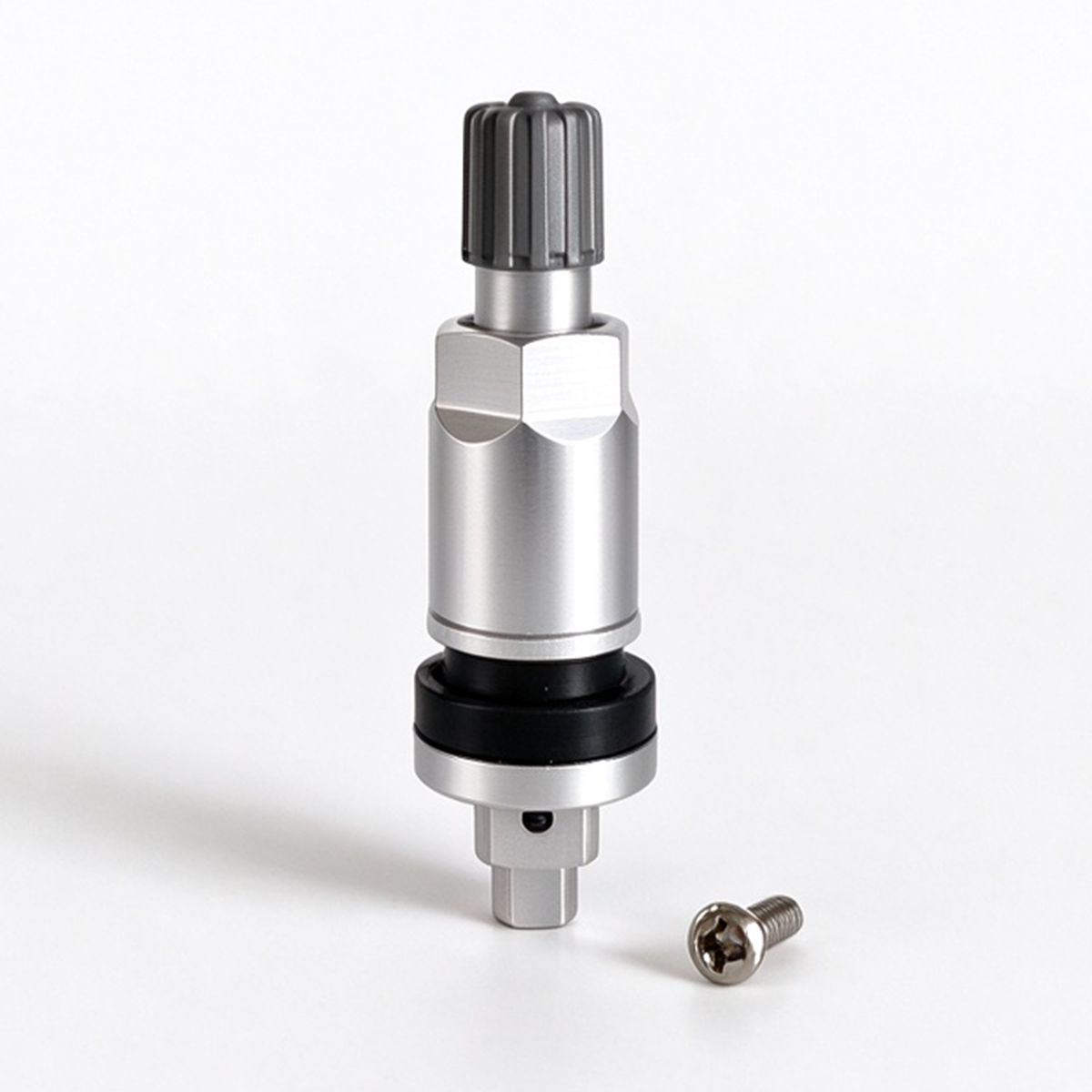
Universal Car Valve Auto TPMS Requency Tire Pressure Monitor System TPMS-09 Tire Valve
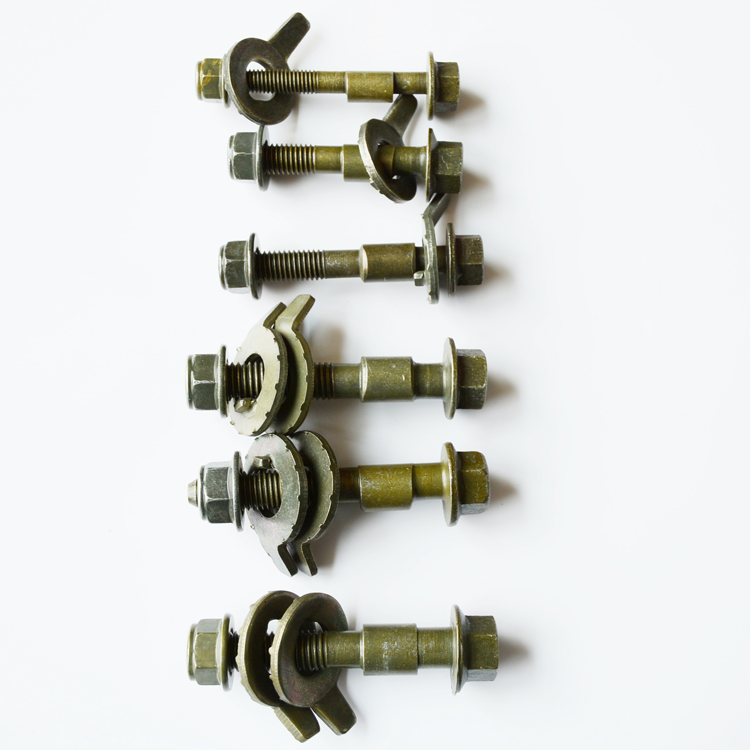
12mm 14mm 16mm Car Accessory Camber Bolt Four Wheels Aligner Eccentric Screw

TPMS-16 Car Tire Pressure Monitoring Sensor Valve Aluminum Alloy Vacuum Inflator Valve

Factory Direct Fe Clip on Wheel Weights Universal Wheel Balance Weights
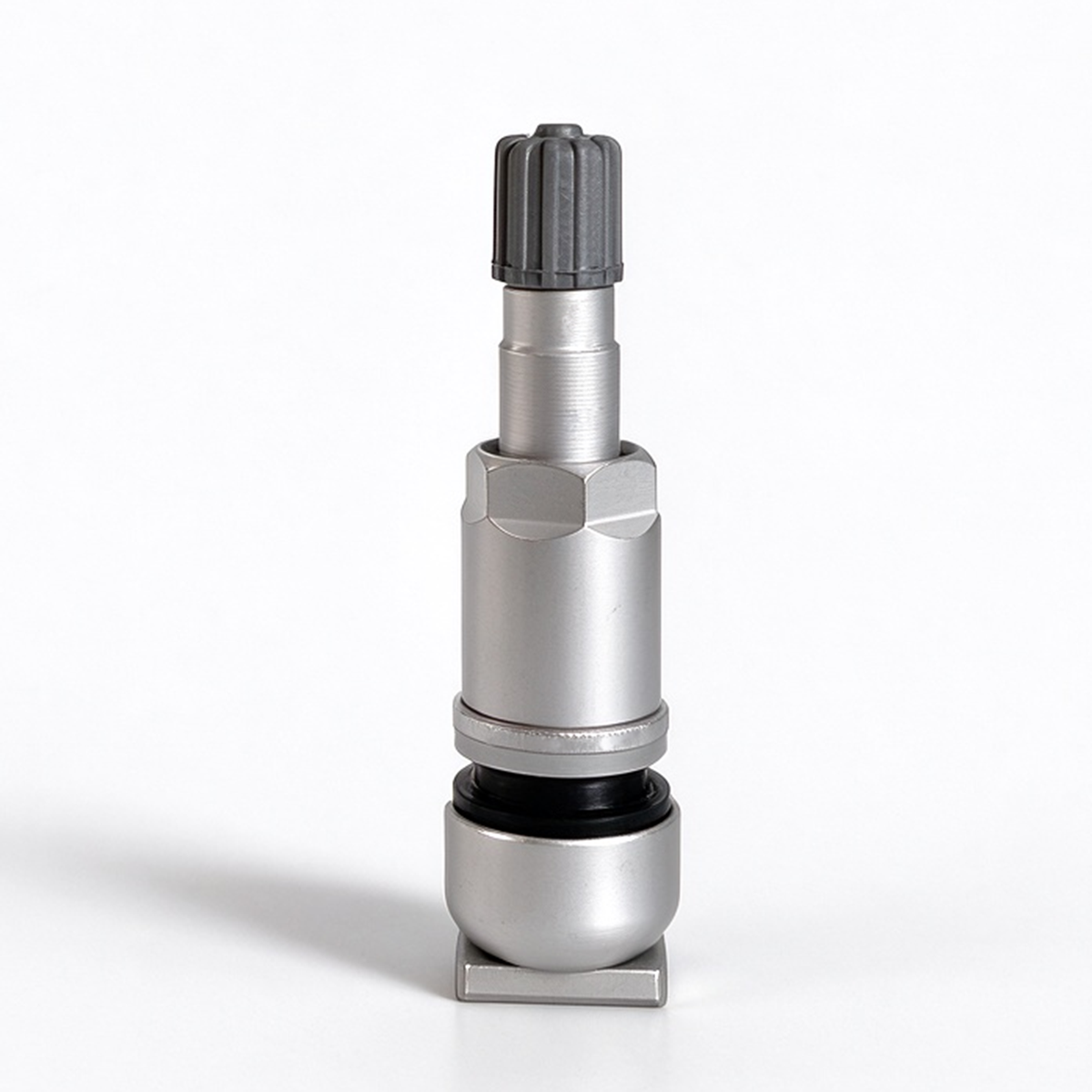
China Manufacture Automotive Exterior Accessories TPMS Sensor Tire Valve

Universal Hand Tool TPMS Tire Pressure Monitoring System Tire Valve Tool

TPMS-18 Tire Valves Monitoring System Wheel Rims Pressure Sensor Valve

Universal Truck Tire Valve V3-20-7 Clamp-In Valve Stem Brass Wheel Parts
Engineering Principles of Cold Vulcanizing Bonding Solutions
Understanding the chemical kinetics, shear strength resilience, and material compatibility required for ambient rubber cross-linking in high-load industrial applications.
Cold vulcanizing cement (often termed cold splicing adhesive or two-component ambient rubber bonding agent) is a specialized polymer chemical formulation designed to bond rubber-to-rubber, rubber-to-fabric, rubber-to-metal, and rubber-to-concrete without requiring external thermal energy or pressurized vulcanizing presses. Unlike standard solvent contact adhesives that rely purely on physical tack after solvent evaporation, cold vulcanization induces a genuine molecular cross-linking reaction via polyisocyanate hardeners (Component B) combined with synthetic polychloroprene/chloroprene rubber bases (Component A).
1. Polyisocyanate Cross-Linking Mechanism
When Component A (polychloroprene adhesive base containing active hydroxyl or amine groups) is thoroughly blended with Component B (polyisocyanate curing agent, typically methylene diphenyl diisocyanate or MDI derivative) at a prescribed ratio (e.g., 100:4 to 100:7 by weight), a rapid chemical reaction initiates at room temperature (15°C to 25°C). The active isocyanate (-NCO) functional groups react with the active hydrogen atoms present in the polymer matrix, establishing robust polyurethane and polyurea covalent bonds across the interface. This molecular bridge transforms the liquid adhesive into an insoluble, infusible, highly elastic 3D elastomer network.
2. Dynamic Shear Strength & DIN 22102 Compliance
For industrial conveyor belts operating in port terminals or mining operations, the cold vulcanized joint must withstand severe tensile stress, dynamic flex fatigue, and continuous belt pulley flexing. High-grade cold vulcanizing adhesives engineered by leading OEM manufacturers achieve peel strengths exceeding 12 N/mm (rubber-to-rubber) and 10 N/mm (rubber-to-fabric), effortlessly surpassing DIN 22102 standards for conveyor belt splicing. This structural integrity prevents splice delamination under extreme operating loads.
Cold Vulcanization vs. Alternative Rubber Joining Methods
Selecting the correct bonding system directly impacts operational uptime, maintenance overhead, and capital expense for industrial operators in the Burgas region.
| Performance Parameter | Two-Component Cold Vulcanizing Cement | Hot Vulcanization Process | Standard Contact Cement |
|---|---|---|---|
| Heating Requirement | None (Ambient Curing 15°C - 30°C) | Requires Heavy Vulcanizing Press (140°C - 160°C) | None (Physical Evaporation) |
| Equipment Needed | Hand Brushes, Buffing Wheels, Rollers | Heavy Electrical Heating Platen Press | Hand Brush / Trowel |
| Downtime for Splice Curing | 2 to 4 Hours (Full cure 24 hrs) | 6 to 12 Hours (Includes heating/cooling cycles) | Immediate (Low strength) |
| Interfacial Peel Strength | Very High (10 - 14 N/mm) | Maximum (12 - 16 N/mm) | Low - Medium (3 - 5 N/mm) |
| Resistance to Humidity & Salt | Excellent (Cross-linked polymer structure) | Maximum | Poor (Solvent degradation occurs) |
| Portability & Field Usage | Ideal for high-altitude & confined spaces | Difficult (Requires power & heavy transport) | Easy |
Localized Application Scenarios in Burgas & Black Sea Hubs
Burgas stands as Bulgaria's primary maritime logisitic terminal, energy hub, and heavy manufacturing center. Custom OEM cold vulcanizing adhesives address unique environmental and operational stresses across local facilities.
Port of Burgas Maritime Conveyors
The Port of Burgas (Terminal East & West) handles vast tonnages of bulk cargo, coal, grain, ores, and fertilizers. Heavy-duty rubber conveyor belts operating along the Black Sea coastline face high atmospheric salinity, intense moisture, and continuous abrasion. OEM cold vulcanizing cement formulated with saline-resistant chloroprene bases enables rapid emergency splicing on ship-loader conveyors directly on-site without transporting heavy vulcanizing presses onto dock crane gantries.
Petrochemical & Industrial Storage (Neftochim Area)
In the industrial zones surrounding Lukoil Neftochim Burgas and nearby chemical processing units, rubber lining of steel tanks, pipes, and acid containment vessels is critical for corrosion protection. Cold vulcanizing adhesives engineered with chemical-resistant synthetic polymers allow field technicians to bond rubber sheets to steel surfaces under tight maintenance schedules, resisting hydrocarbon vapors, mild acids, and industrial runoff.
Automotive Tire Repair & Heavy Fleet Maintenance
Connecting Pan-European Transport Corridor VIII, Burgas hosts major logistics fleets, heavy commercial vehicles, and agricultural machinery. Local tire repair shops and fleet maintenance depots require fast-curing cold vulcanizing fluids and tire patch cement that function reliably across Burgas's seasonal temperature swings—from freezing Black Sea winter humidity (-5°C) to scorching summer road heat (+38°C).
Salt-Air Resilience & Micro-Climate Considerations in Burgas Province
Micro-climatic conditions along the Burgas Gulf present unique challenge vectors for adhesive chemicals. High relative humidity (frequently exceeding 80% during marine fog events) can cause moisture interference during the open-tack window of standard adhesives. This moisture reacts prematurely with unreacted isocyanate groups, creating carbon dioxide gas bubbles that yield micro-porosity within the adhesive layer.
To overcome this, custom OEM cold vulcanizing cements supplied to Burgas industrial buyers utilize moisture-tolerant coupling agents and specialized solvent evaporation controllers (incorporating ethyl acetate and high-purity trichloroethylene alternatives). This guarantees that the adhesive film cures into a dense, non-porous elastomeric barrier even in humid coastal workshop conditions.
Key Industry Trends Shaping the Burgas B2B Sourcing Sector
As Bulgaria aligns further with European Union environmental frameworks and modernizes its port infrastructure, procurement strategies for cold vulcanizing adhesives are undergoing major technological shifts.
1. Shift Toward REACH-Compliant, Low-VOC Solvents
Bulgarian environmental authorities and EU REACH regulations (EC 1907/2006) strictly monitor Volatile Organic Compounds (VOCs) and hazardous solvent emissions. Historically, cold vulcanizing adhesives heavily relied on chlorinated solvents like carbon tetrachloride or high-toxicity solvents. The modern Burgas market demands solvent formulations based on ethyl acetate, cyclohexane, or customized non-flammable blends that deliver identical tack performance without violating health, safety, and environmental standards in indoor repair bays.
2. Demand for Custom Private-Label Packaging for Regional Wholesalers
Industrial equipment distributors in Burgas and the wider Southeast Bulgaria region (including Yambol, Sliven, and Stara Zagora) are increasingly seeking custom OEM supplier partnerships. Purchasing managers prefer factory-direct tin packaging (250g, 500g, 1000g cans) featuring dual-language Bulgarian/English safety labeling, localized GHS hazard pictograms, and custom brand logos to establish brand equity across Eastern Europe.
3. Rapid Emergency Repair vs. Scheduled Overhaul Systems
With port throughput speeds continuously accelerating, long conveyor shutdown times incur massive financial penalties. Industrial operations in Burgas are standardizing on fast-tack cold vulcanizing cements that reduce initial drying times to under 15 minutes, permitting belt commissioning within 2 to 4 hours post-repair, compared to conventional 24-hour cure cycles.
Summary of Local Procurement Criteria in Burgas
- ✓ Compliance: Full REACH SVHC declaration & ISO 9001 quality assurance certification.
- ✓ Packaging Versatility: Dual-component tin sets with built-in brush applicator caps.
- ✓ Stability: Minimum 18-month unmixed shelf life in temperature-controlled warehouses.
- ✓ Logistics Flexibility: Direct container shipments to Port of Burgas or Varna.
Why Direct Sourcing from Olsik Gives You a Competitive Advantage
Cangzhou Olsik Automobile Accessory Co., Ltd. brings nearly two decades of precision chemical synthesis and automotive hardware manufacturing experience to global distributors.
18+ Years of Factory Expertise
Established in 2006 in Cangzhou, Hebei, our facilities span over 10,000 square meters, operating automated liquid filling lines, seal testing chambers, and rigorous rubber testing labs to ensure consistent batch viscosity and bonding energy.
CE, GS, TÜV & ISO 9001 Certified
Quality management systems strictly govern every stage of production—from raw polymer inspection to final tin sealing. Our compliance portfolio ensures smooth customs clearance across European customs stations.
End-to-End OEM & Buyer-Label Services
We provide comprehensive OEM packaging options: custom tin volume, private brand label printing, customized hardener ratios, color-coded liquid indicators (e.g., blue/black mixed indicator), and master carton export packaging.
Strategic Tianjin Port Shipping Hub
Located in the Beijing-Tianjin-Hebei economic cluster, our factory maintains direct access to Tianjin Port. We provide streamlined sea freight container routes straight to the Port of Burgas, guaranteeing low transit cost, predictable scheduling, and reliable supply chain security for Bulgarian buyers.
Burgas Procurement & Technical FAQ
Answers to common inquiries raised by purchasing directors, technical engineers, and tire supply importers in Bulgaria.
What is the shelf life of cold vulcanizing cement in coastal climate conditions like Burgas? +
Are your cold vulcanizing cements REACH compliant for import into Bulgaria and the EU? +
What is the Minimum Order Quantity (MOQ) for custom OEM private-label branding? +
How does cold vulcanization compare to hot vulcanization for high-stress conveyor belts at Port Burgas? +
Can your cold bonding adhesives bond rubber to steel surfaces in marine environments? +
What international shipping terms and payment methods are available for Bulgarian importers? +
Partner with a Certified OEM Cold Vulcanizing Cement Supplier
Enhance your product line in the Burgas market with high-tack, REACH-compliant cold vulcanizing adhesives, tire repair consumables, and specialized wheel service components direct from our factory.