

Havana's Automotive Ecosystem & Tire Service Challenges
The municipality of Havana, serving as the commercial, logistics, and transportation epicenter of Cuba, presents a uniquely challenging operational environment for tire maintenance infrastructure. Unlike conventional Latin American markets dominated by uniform modern vehicle fleets, Havana operates a hybrid fleet ecosystem comprising three distinct vehicle generations: classic mid-20th-century American automobiles (*almendrones*), Soviet-era commercial trucks and sedans (such as Kamaz, Lada, and GAZ), and modern Chinese commercial transit buses (Yutong), alongside contemporary European and Asian passenger cars utilized in state and tourism rental fleets.
This diverse vehicular landscape imposes extraordinary mechanical stress on tire repair consumables and manual demounting tools. Local auto repair shops, known locally as *poncherías*, handle dozens of demounting cycles per shift under intense tropical heat and ambient marine humidity. The proximity of Havana to the Straits of Florida subjects local equipment to relentless airborne salinity along the Malecón and surrounding coastal districts. Consequently, standard carbon steel tire levers rapidly succumb to oxidation, structural fatigue, and tip deformation when applied to stiff, multi-ply commercial bus tires or stubborn steel rims on vintage light vehicles.
Furthermore, asphalt degradation on regional arterials connecting Havana to the Mariel Special Development Zone (ZEDM) accelerates tire wear and sidewall damage. Fleet operators managing heavy cargo and intercity buses cannot afford extended vehicle downtime caused by slipped tire beads or bent demounting irons. Sourcing heavy-duty tire mounting bars directly from established manufacturing facilities ensures structural predictability, metallurgical consistency, and long-term tool survivability under extreme operational duress.
Technical Metallurgy & Tool Architecture of Industrial Tire Mounting Bars
To evaluate the performance of manual tire mounting bars, B2B procurement managers and fleet engineers must understand the metallurgical composition and mechanical engineering principles governing bead manipulation tools. Lower-grade forged bars frequently fail at the neck curve due to micro-fissures incurred during inadequate heat treatment cycles.
Ergonomic Geometry & Bead Protection Mechanics
Modern heavy-duty tire mounting bars employ specialized tip geometries to maximize efficiency while preventing costly rim damage. The working end features a precision-machined spoon radius engineered to slip smoothly between the tire bead and the rim flange. A counter-curved bead-lock hook holds the tire section securely in the drop center of the wheel, eliminating tire creep during manual lever rotation.
| Tool Model Type | Primary Application | Length Range | Metallurgical Composition | Havana Market Suitability |
|---|---|---|---|---|
| 3-Piece Tubeless Truck Set | Heavy Truck / Yutong Bus (22.5" - 24.5") | 37" to 42" (940-1060 mm) | Drop-Forged 40Cr Alloy Steel | Essential for Havana Freight & Port Fleets |
| Curved Demounting Iron | Passenger Cars & Light Commercial Vans | 20" to 30" (500-750 mm) | Quenched Carbon Steel (45#) | Standard Equipment for Urban *Poncherías* |
| Drop-Center Bead Keeper Bar | Stiff Sidewall Low-Profile & Alloy Wheels | 16" to 24" (400-600 mm) | Cr-V Alloy with Nylon Rim Guard | Tourism Fleet & Modern SUV Maintenance |
| Heavy-Duty Bead Breaker Lever | Agricultural & Industrial Machinery Tires | 48" to 52" (1200-1320 mm) | Heat-Treated Structural Alloy | Rural Outskirts & Industrial Port Hubs |
Integrated Supply Solutions: Wheel Weights, Valves & Workshop Equipment
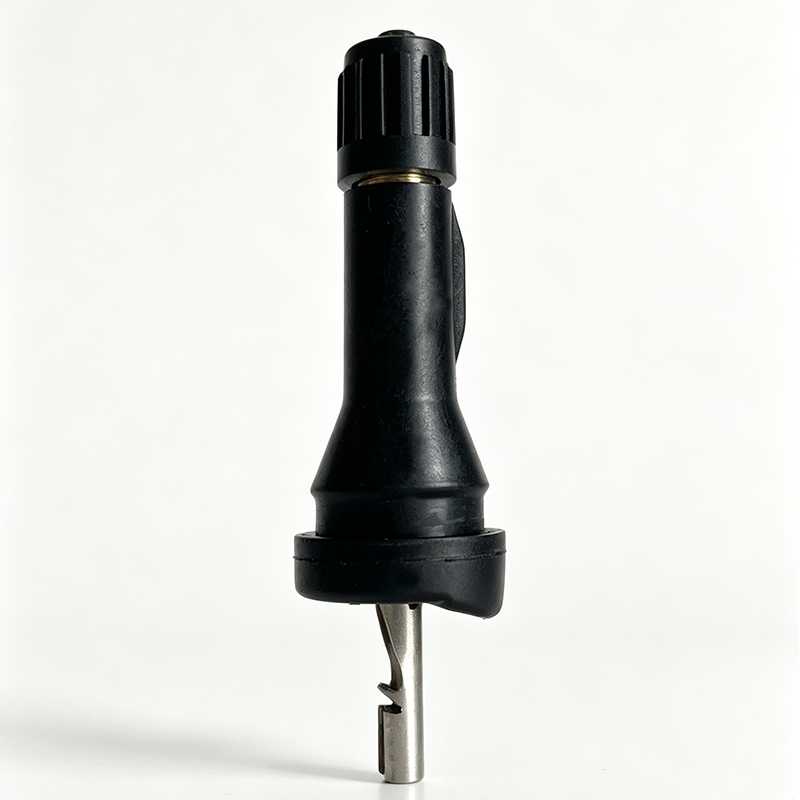
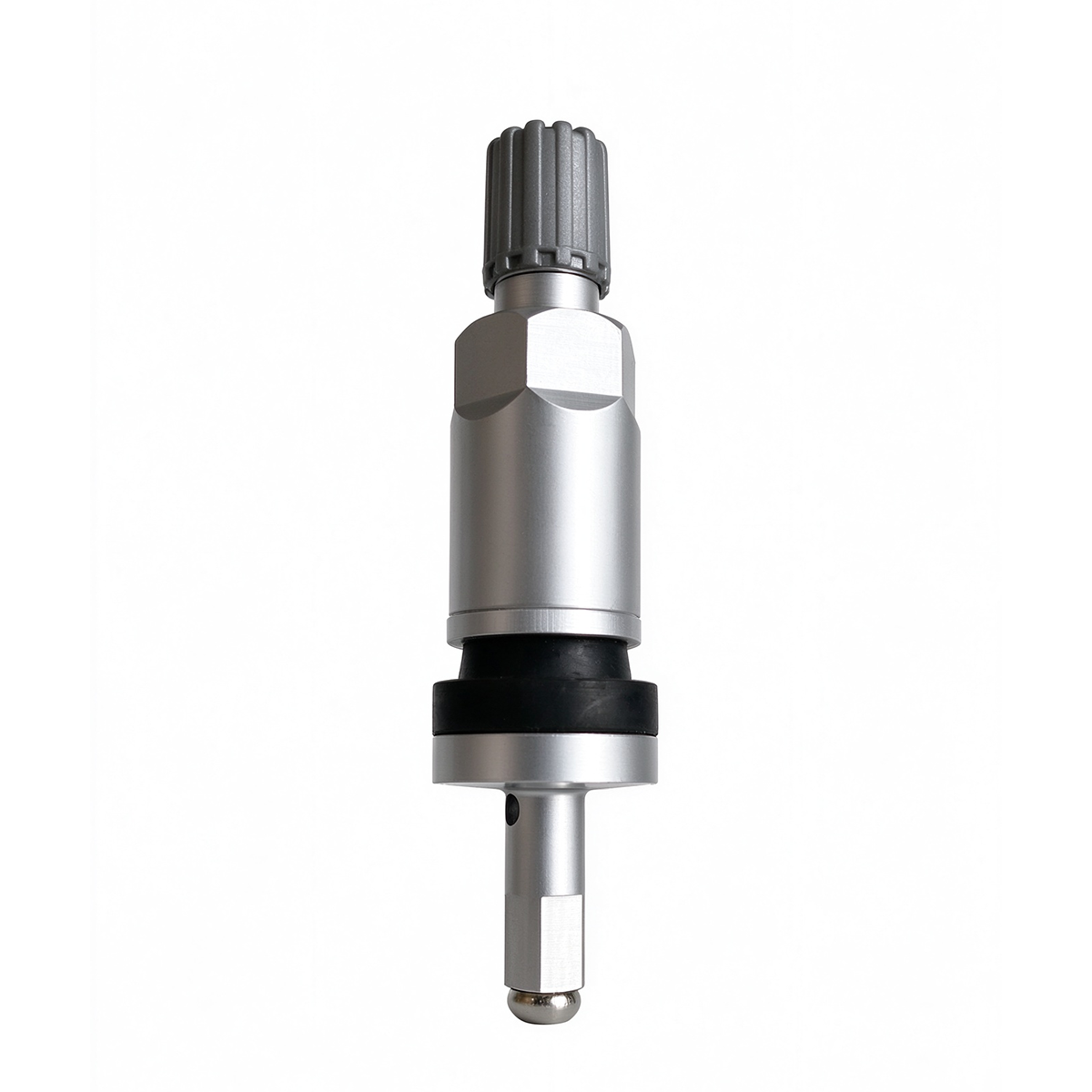
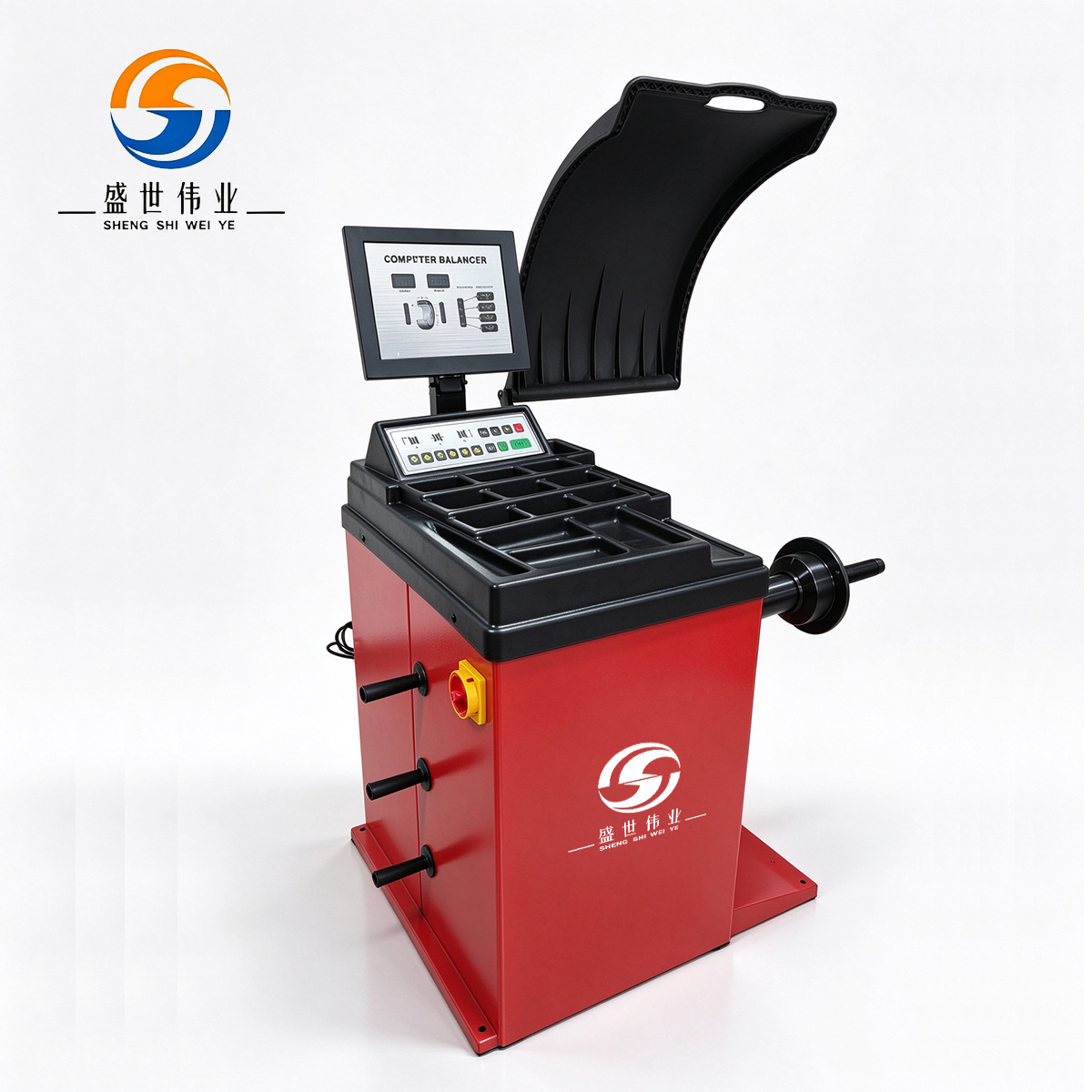
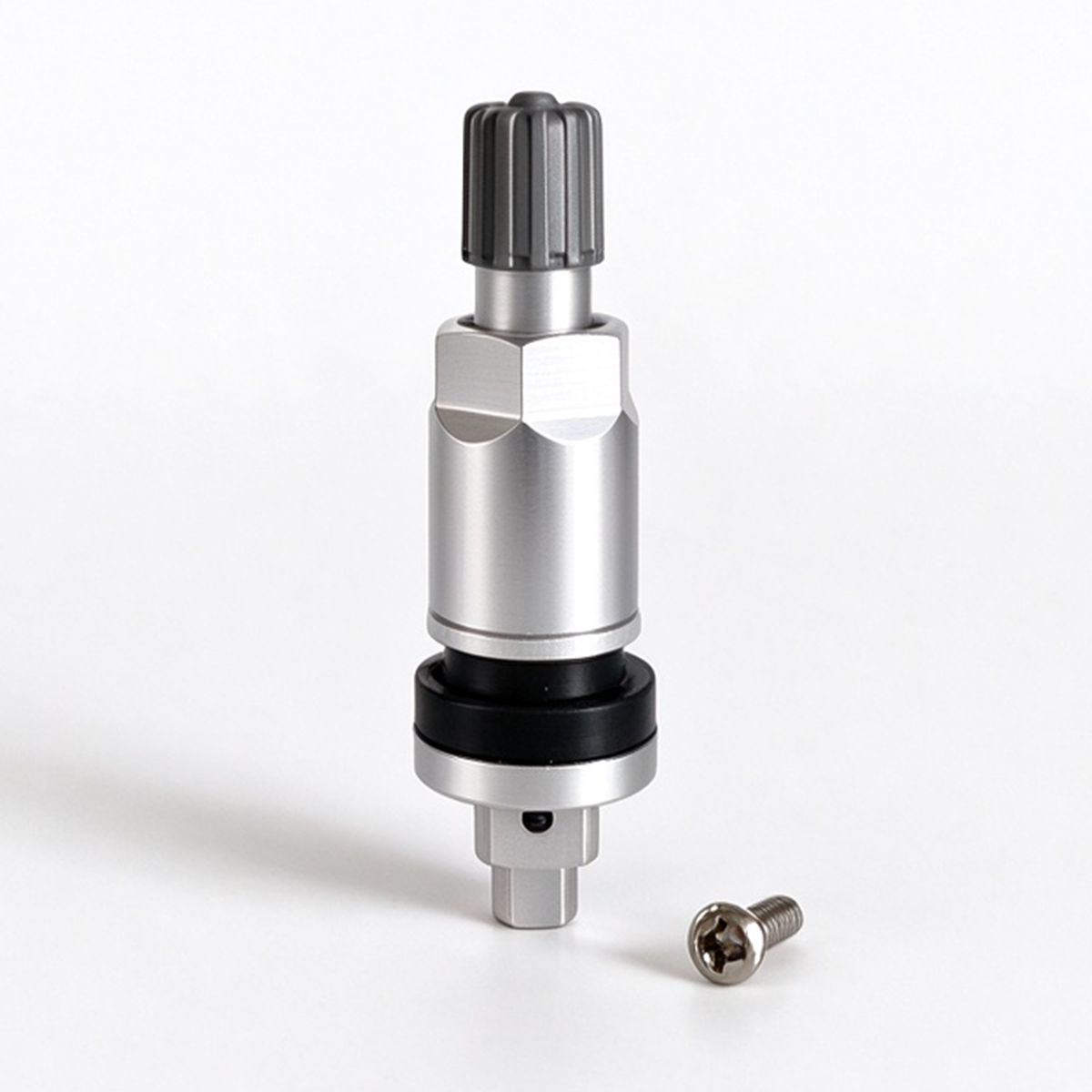
Tire mounting bars form only one component of a complete wheel servicing setup. Professional fleet workshops and importers across Havana require a comprehensive ecosystem of wheel service parts to ensure dynamic balance, air tightness, and operational safety once tires are remounted on the wheel rim.
As a specialized manufacturer, Cangzhou Olsik Automobile Accessory Co., Ltd. supplies an integrated catalog of wheel maintenance hardware designed to complement manual and pneumatic tire demounting systems:
Localized Development Trends in Havana's Garage & Fleet Sector
The Cuban automotive aftermarket is undergoing a gradual structural transformation. State-backed initiatives aimed at expanding public transportation efficiency, paired with private enterprise growth in localized auto repair services (*trabajadores por cuenta propia*), have created an expanding demand for standardized, durable workshop tools.
Key Market Shifts Influencing Tool Procurement
1. Transition from Makeshift Levers to Standardized Tools: Historically, local repair technicians relied on custom-welded steel scrap levers, which often damaged expensive tubeless tire beads and scratched aluminum alloy rims. Modern Cuban importers are increasingly prioritizing factory-made, ergonomically engineered mounting bars that eliminate bead damage.
2. Growth in Heavy Commercial Freight & Logistics: With expanded maritime freight traffic entering the Port of Havana and the nearby Mariel hub, heavy commercial vehicle servicing has accelerated. This growth directly drives high-volume orders for 3-piece tubeless truck tire demounting tool kits capable of handling heavy multi-ply tires without hydraulic equipment.
3. Emphasis on Equipment Durability & Reuse: Due to international supply timelines and logistics considerations, Cuban purchasing officers prioritize tools engineered for extreme fatigue resistance. Dual-purpose levers that perform both mounting and demounting functions deliver high return on investment for garage owners.
Frequently Asked Questions for Havana & Caribbean Buyers
Manufacturer Profile: Cangzhou Olsik Automobile Accessory Co., Ltd.
Established in 2006, Cangzhou Olsik Automobile Accessory Co., Ltd. is a specialized OEM manufacturer and international exporter of wheel balance weights, tire repair consumables, tubeless valves, and workshop maintenance machinery. Operating from a modern 10,000+ square meter industrial facility in Xian County, Cangzhou, Hebei, China, Olsik maintains strict ISO 9001 quality management procedures across every stage of production.
Our factory holds registered national patents alongside CE, GS, and TÜV technical certifications. By integrating drop-forging, metallurgical heat treatment, surface finishing, and automated packing in-house, we deliver stable capacity exceeding 1,000,000 units annually. Today, Olsik products are relied upon by automotive importers, state fleet management agencies, and garage equipment distributors across more than 130 countries worldwide.