


Comprehensive Analysis: Sourcing Tire Repair Awls & Consumables for the Austrian Automotive Aftermarket
The Austrian automotive repair and maintenance market represents one of the most demanding environments in Central Europe. Characterized by strict legislative frameworks such as the § 57a KFG (Kraftfahrgesetz) periodic vehicle inspection, rigorous safety mandates enforced by organizations like ÖAMTC and ARBÖ, and extreme seasonal weather shifts across the Alpine topography, Austrian tire service centers require exceptional tool reliability. For Chinese manufacturers supplying puncture repair equipment—specifically tire repair probe awls, T-handle spiral reamers, split-eye insertion needles, and vulcanization consumables—delivering high Information Gain, physical durability, and regulatory compliance is mandatory to establish long-term B2B partnerships.
Key Takeaway for Austrian Procurement Managers: Sourcing industrial-grade tire repair awls from premier Chinese manufacturers like Cangzhou Olsik Automobile Accessory Co., Ltd. ensures tool longevity against high-tensile steel belts while maintaining strict adherence to EU REACH standards and ÖNORM safety guidelines.
1. Technical Engineering of Tire Repair Awls: Materials, Heat Treatment, and Ergonomics
Tire repair awls (frequently categorized into puncture probe awls, rasp/reamer spiral awls, and insertion needles) serve as the fundamental mechanical interface during the emergency seal phase of tubeless radial and bias-ply tires. When repairing punctures caused by nails, screws, or road debris along major transit routes like the A1 West Autobahn or the A10 Tauern Highway, the mechanical stress exerted on the tool shank is immense.
1.1 Steel Metallurgical Composition & Hardness Calibration
Substandard tire awls manufactured from basic carbon steel suffer from tip bending, thread stripping, or catastrophic brittle fracture when piercing heavy-duty steel-belted radial tires. Cangzhou Olsik utilizes premium 45# medium-carbon steel or 60# high-carbon spring steel shafts subjected to controlled induction hardening and tempering processes.
- Rockwell Hardness Calibration: Shafts are engineered to reach a core hardness of HRC 45–50. This hardness window provides optimal yield strength to resist flex while preventing brittle shearing under high torsional load.
- Surface Passivation & Plating: To combat exposure to calcium chloride and sodium chloride winter de-icing agent solutions prevalent in Austria (e.g., Tyrol, Salzburg, Vorarlberg), shafts undergo hard chrome plating or heavy electro-galvanized zinc passivating. This ensures over 720 hours of continuous salt spray corrosion resistance (ASTM B117 standard).
1.2 Spiral Reamer Geometry and Cord Preservation
The spiral rasp awl (reamer) must clear damage debris and expand the puncture channel to accommodate the vulcanizing repair strip without severing internal steel cords. Olsik's micro-machined spiral grooves feature a calibrated pitch that files jagged steel belt edges smooth while preserving structural ply integrity. This smooth channeling prevents air micro-leakage around the repair plug post-installation.
1.3 Cold-Resistant T-Handle Ergonomics
Austrian tire mechanics operate extensively during freezing conditions during the biannual Winterreifenpflicht (mandatory winter tire period from November 1 to April 15). Ergonomic T-handles molded from reinforced zinc alloy or heavy-duty impact-resistant nylon provide high mechanical leverage without becoming brittle at ambient temperatures as low as -30°C.
High-Carbon Steel Core
Induction-hardened 45#/60# steel shafts engineered for maximum torsional torque resistance when penetrating steel-belted radial commercial tires.
Cold-Weather Durability
Zinc-alloy and poly-composite T-handles tested down to -40°C to withstand rigorous Alpine workshop conditions during winter tire peaks.
Corrosion Shield Plating
720-hour salt spray tested chrome/zinc coating prevents oxidation caused by harsh Austrian winter de-icing salts.
2. Austrian Market Application Scenarios & Operational Requirements
The utility of professional tire repair tools in Austria spans distinct automotive sectors. Understanding these localized application scenarios enables procurement directors to select the appropriate tool configurations for their target customer base.
Scenario A: Trans-Alpine Heavy Freight & Commercial Fleet Logistics
Austria serves as a critical transit corridor connecting Western Europe to the Balkans and Central Europe. Heavy commercial vehicles traversing mountain passes (such as the Brenner Pass connecting Tyrol to Italy) exert heavy loads on drive and trailer tires. Punctures occurring on commercial truck tires require heavy-duty split-eye insertion needles with elongated shanks (150mm–200mm) capable of pushing thick 8mm to 10mm vulcanizing cords through multi-ply steel casings. Quick, permanent, or temporary emergency repairs prevent costly highway downtime on key routes governed by ASFINAG.
Scenario B: The Biannual Seasonal Tire Swap Peak (Wörthersee to Vienna)
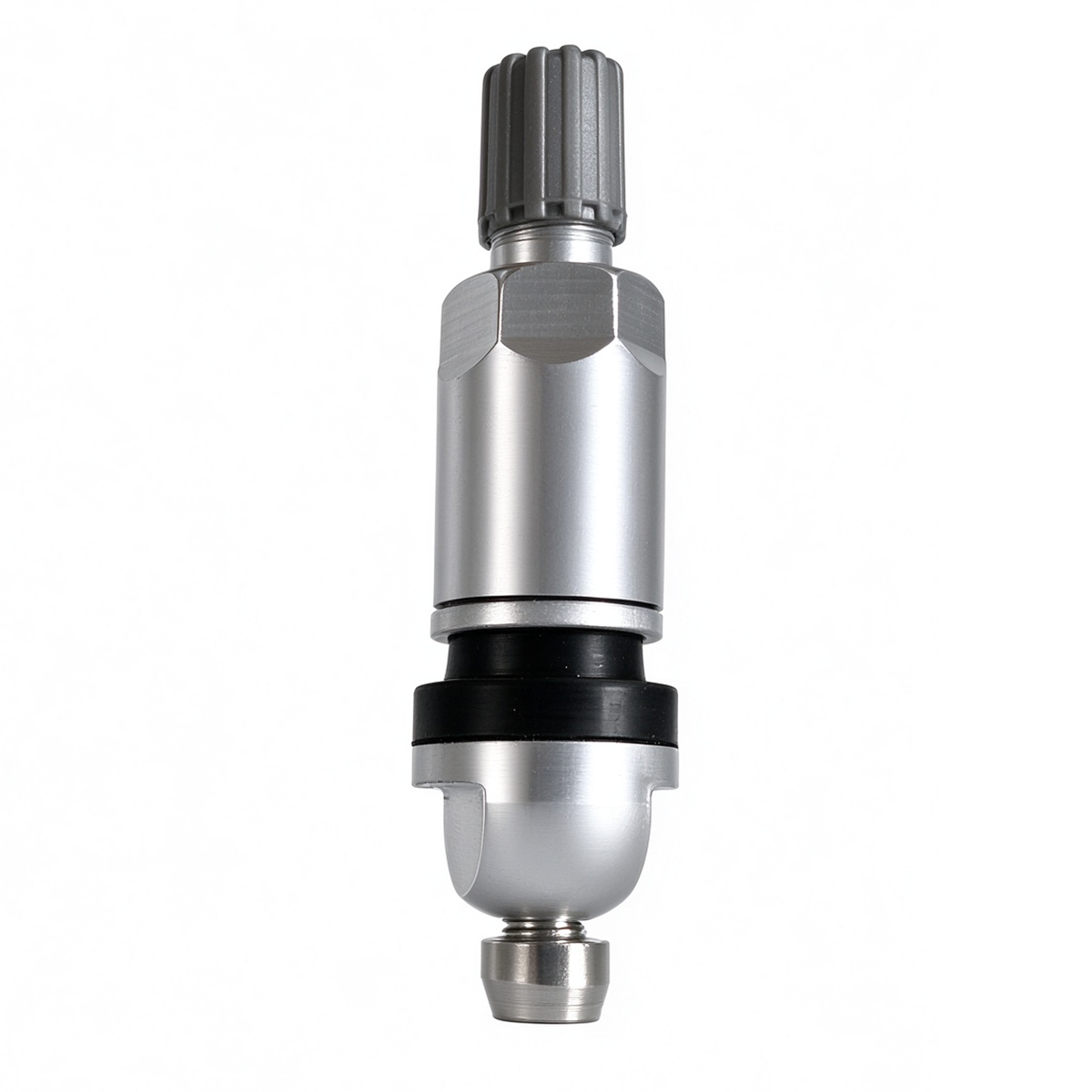
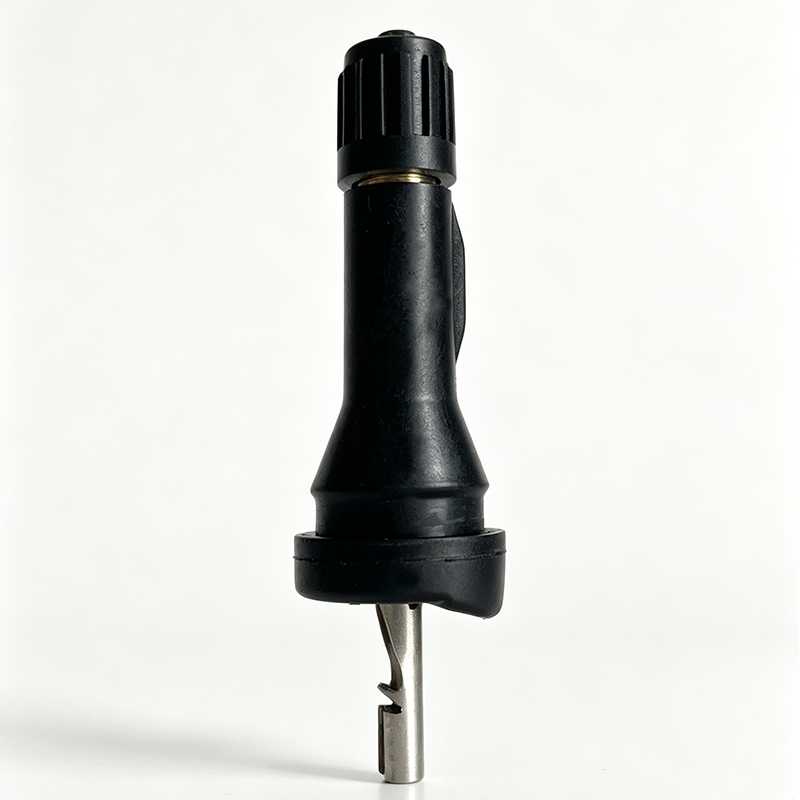
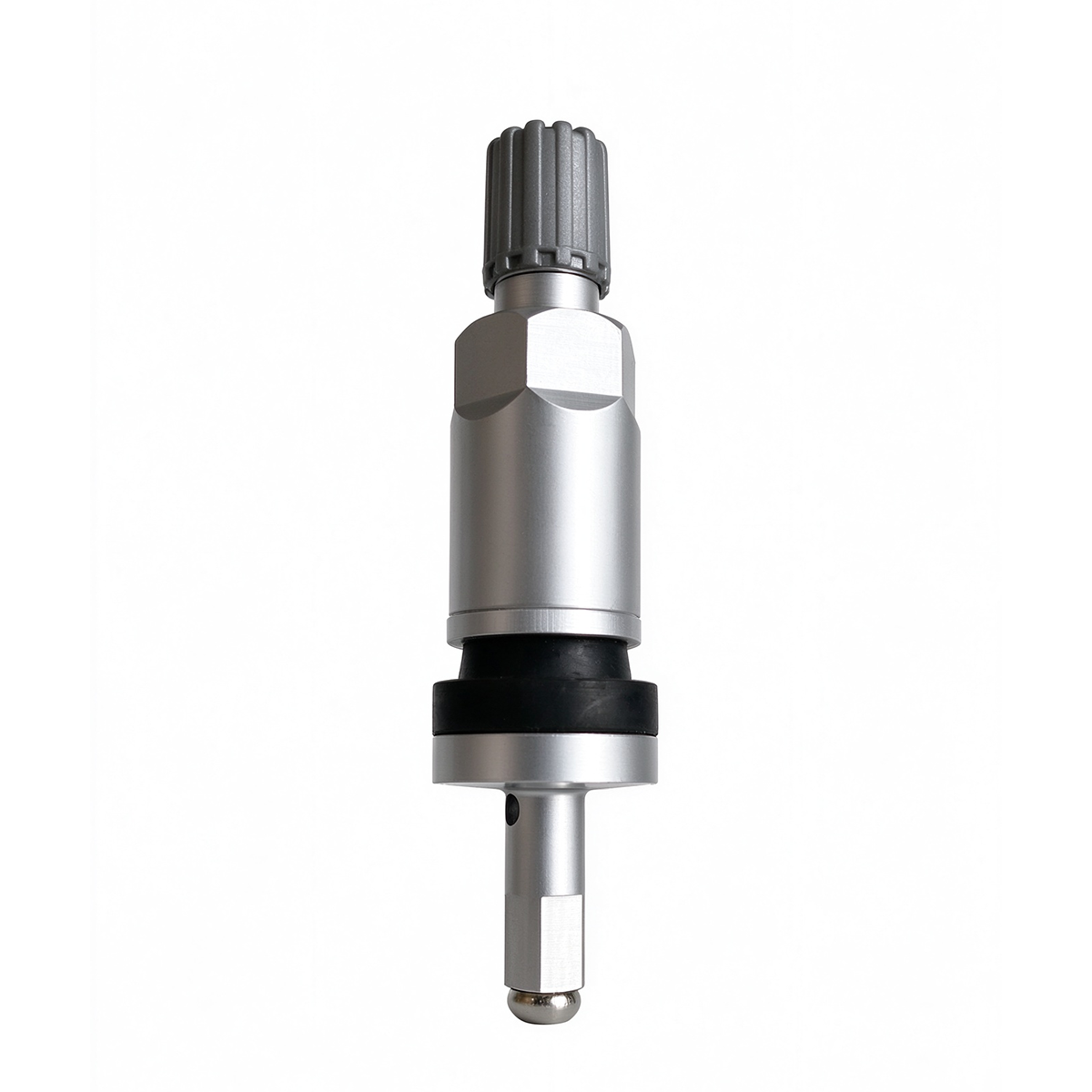
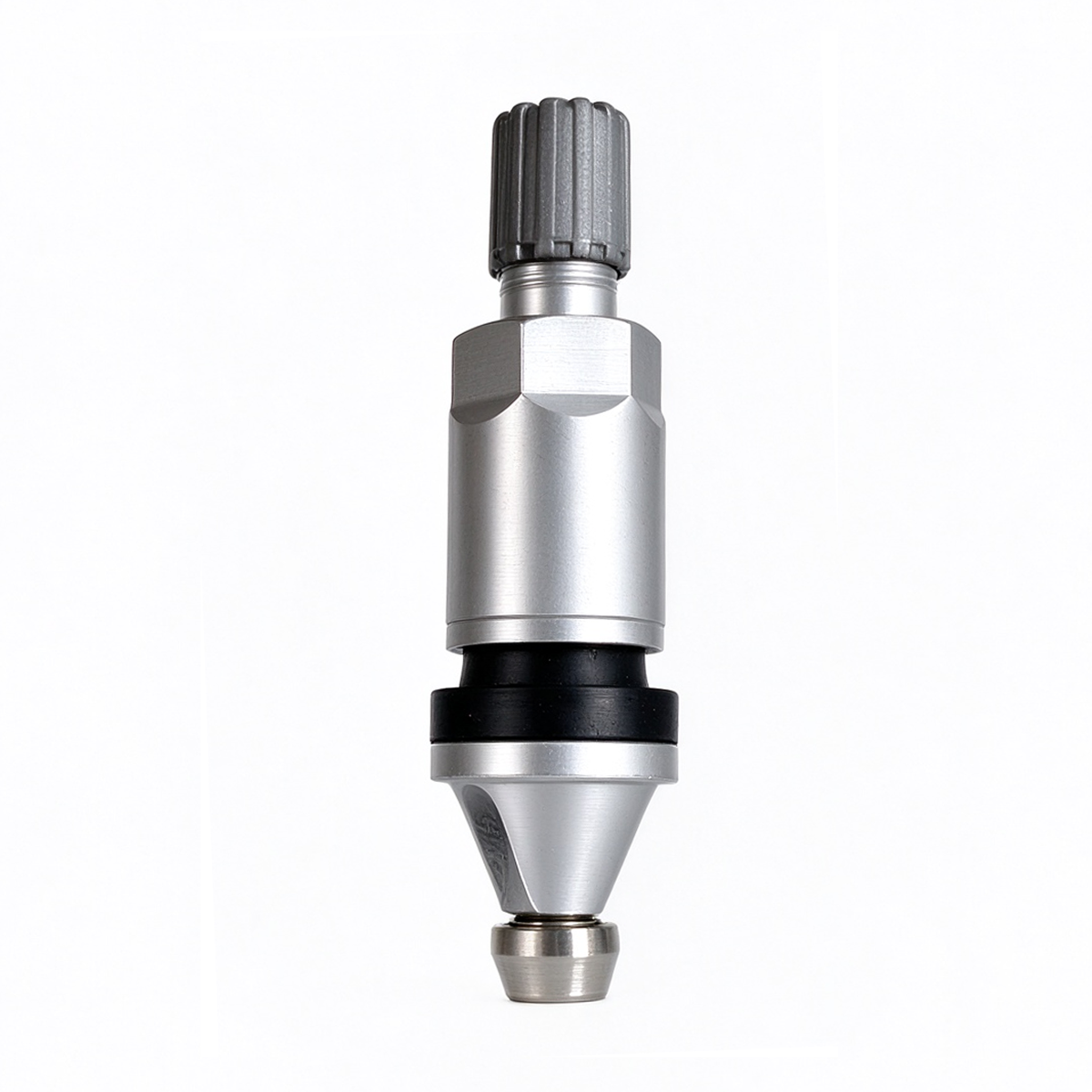
During October-November and April-May, over 4 million registered vehicles in Austria undergo seasonal wheel transitions. Tire dealerships (Reifenfachbetriebe) and independent auto repair garages (Freie Werkstätten) operate at 100% capacity. During these high-volume windows, workshop technicians require fast-operating, drop-forged reaming awls that do not fail under repetitive daily use. Pairing heavy-duty awls with reliable TPMS replacement valves and lead-free Fe wheel balance weights ensures streamlined workflow execution.
Scenario C: Agricultural and Forestry Vehicles in Alpine Terrain
In regions such as Styria, Carinthia, and Upper Austria, agricultural tractors, timber harvesters, and off-road vehicles frequently encounter sharp rock shales and forestry debris. Off-highway tubeless tires utilize reinforced sidewalls and deep treads. Heavy-gauge probe awls with replaceable needle tips allow field service teams to perform instant repair without demounting massive tractor tires in remote mountain environments.
3. Regulatory Compliance & Environmental Sustainability in Austria
Exporting automotive repair tools and wheel service consumables into Austria requires strict adherence to European Union directives and local environmental regulations.
| Regulatory / Performance Metric | Austrian & EU Standard Requirement | Cangzhou Olsik Factory Standard | B2B Buyer Benefit |
|---|---|---|---|
| Lead & Heavy Metal Compliance | EU REACH Regulation (EC) No 1907/2006 & ELV Directive | 100% Lead-Free Fe (Steel) & Pure Zinc Alloy Compounds | Zero customs clearance blocks; full environmental compliance across Austria |
| Quality Management System | ISO 9001 Alignment / Werkstattprüfstand capability | ISO 9001:2015 certified production & CE / TÜV / GS approvals | Traceable batch quality with consistent dimensional tolerances |
| Salt Spray Corrosion Resistance | Minimum 240 hours (Alpine winter road salt protection) | 720 hours continuous ASTM B117 salt spray pass | Extended shelf-life and tool service life in snowy environments |
| Handle Impact & Cold Fracture | Operational stability down to -15°C | Cold-chamber tested down to -40°C without handle micro-cracking | Safe operation during outdoor winter breakdown assistance |
| TPMS Compatibility | ECE R64 alignment & § 57a KFG inspection standards | Direct OEM-fit aluminum alloy sensor valves (TPMS-30/39) | Flawless electronic sensor seating without air pressure leaks |
4. Strategic Advantages of Partnering with Cangzhou Olsik Automobile Accessory Co., Ltd.
Established in 2006 in Cangzhou, Hebei Province, China, Cangzhou Olsik Automobile Accessory Co., Ltd. has grown into a globally recognized manufacturer and exporter of wheel balancing weights, tubeless tire valves, tire repair tools, and heavy-duty workshop machinery. Located within the Beijing-Tianjin-Hebei economic zone, our 10,000+ square meter manufacturing campus benefits from direct access to Tianjin Port, facilitating efficient sea freight routing to European gateways such as Hamburg, Koper, and Rotterdam for transit to Austria.
4.1 End-to-End In-House Manufacturing & Quality Control
Unlike trading companies that outsource production to fragmented workshops, Olsik maintains total engineering control over every manufacturing phase:
- Raw Material Inspection: Micro-alloy steel rods, natural rubber compounds, and aluminum ingots undergo spectrographic metal analysis and elasticity testing prior to forging.
- Precision CNC Machining & Cold Heading: Shafts, spiral grooves, and valve bodies are processed on multi-axis automated CNC machine tools for micron-level accuracy.
- Heat Treatment & Surface Finishing: Computer-controlled thermal processing guarantees precise Rockwell hardness (HRC 45-50), followed by automated electroplating.
- Rigorous 5-Stage QC Inspection: Dedicated quality engineers inspect dimensional tolerances, tensile breaking strength, thread engagement, and pneumatic seal integrity.
- Custom OEM & Private-Label Packaging: We provide full branding solutions for Austrian wholesalers, including laser-engraved tool handles, custom color blister cards, barcodes, and master carton printing.
4.2 Supply Chain Efficiency for Central European Importers
With an annual capacity exceeding 1,000,000 product units and export networks spanning over 130 countries, Olsik understands the operational rhythm of European B2B procurement. We offer flexible incoterms including FOB, CFR, CIF, DDP, and EXW, accepting standard international payment methods such as T/T, L/C, and D/P. Our dedicated export department maintains an average inquiry response time under 3 hours, providing Austrian partners with rapid quote turnarounds, digital CAD drawings, and pre-production physical samples.