



Executive Industry Report: Technical Optimization of Dynamic Tire Balancing Equipment & Service Consumables in Coastal Veneto
In the highly specialized automotive and transport infrastructure of Venice and the wider Veneto region—spanning the logistics hubs of Mestre, Marghera, and the coastal transport corridors connecting to the Lido—tire service efficiency requires uncompromising technical standards. Dynamic rotational imbalance in vehicle wheel assemblies is not merely an inconvenience; it is a primary driver of premature suspension wear, uneven tire tread cupping, and elevated energy consumption in both internal combustion and electric vehicles (EVs).
As a leading global exporter and direct manufacturer of tire balancing machines, lead-free Fe wheel balance weights, and tubeless valve assemblies, Cangzhou Olsik Automobile Accessory Co., Ltd. delivers factory-direct engineering solutions designed specifically to withstand the harsh environmental and operational demands of Northern Italy's marine and urban transit ecosystems.
The Physics of Dynamic vs. Static Wheel Imbalance in Urban & Highway Driving
Wheel balance is dictated by two distinct rotational forces: static imbalance (where heavy mass points cause vertical tramp or bouncing) and dynamic imbalance (where mass asymmetry across the wheel's axial centerline causes wobbling or shimmy at high speed). When vehicles travel across the historic paved surfaces of mainland Venice, bridge causeways, or high-speed arterial motorways (such as the A4 Serenissima), uncorrected imbalance generates destructive kinetic energy.
Modern microprocessor-controlled tire balancing machines overcome these forces by utilizing high-resolution piezo-electric quartz sensors and optical encoders. By measuring rotational force vectors down to 1-gram precision, these machines calculate the exact angular location and mass strip weight required to establish mass equilibrium across both inner and outer rim planes.
Microprocessor Precision
32-bit digital signal processing with automated sonar rim-width scanning enables single-spin balancing cycles completed in under 7 seconds with 1-gram accuracy.
Anti-Corrosion Surface Protection
All wheel balance weights feature multi-stage electro-galvanized zinc plating coated with salt-spray tested epoxy resin to survive Venice's saline humidity.
EV & High-Torque Calibration
Specialized ALU-S laser position modes calibrated for zero-vibration harmonic feedback on heavy battery electric passenger and delivery vehicles.
Deep Dive: Material Engineering of Balancing Consumables for Saline Environments
Venice’s unique geographical position on the Venetian Lagoon creates an atmosphere characterized by high relative humidity and fine chloride-laden sea salt spray. Conventional steel or poorly coated iron wheel weights suffer rapid galvanic corrosion when placed in contact with modern aluminum alloy rims, resulting in ugly rust streaks and adhesive failure.
To eliminate this failure mode, Olsik's manufacturing facility produces lead-free Fe (steel) stick-on balance weights utilizing an engineered 5-layer surface treatment process:
- Cold-Rolled Steel Core: High-density Fe core precision-stamped for exact weight mass.
- Electro-Galvanized Zinc Layer: Provides sacrificial cathodic protection against oxidation.
- Chemical Conversion Primer: Enhances bonding adhesion between metal and topcoat.
- Thermosetting Epoxy Polymer Coating: 1,000+ hour salt-spray chamber tested barrier against moisture, brake dust, and road chemicals.
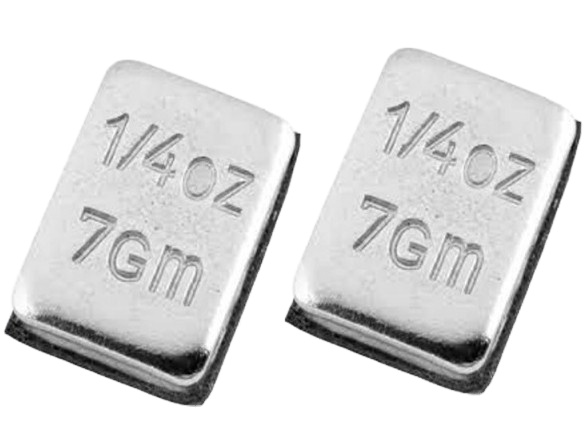
- High-Tack Synthetic Foam Adhesive Tape: Formulated with a temperature-stable acrylic carrier that maintains 100% shear strength from -40°C to +120°C, ensuring the weight remains firmly affixed even during high-G acceleration.
| Parameter / Specification | Olsik Professional Dynamic Balancer | Olsik Lead-Free Fe Stick-On Weights | Olsik Brass & Alloy TPMS Valves |
|---|---|---|---|
| Measuring Precision | ± 1.0 g (± 0.035 oz) | ± 0.02 g per segment | Air-tight up to 15 bar (217 psi) |
| Rim Diameter Capacity | 10" – 28" (Automotive / Light Truck) | Universal (Fits all alloy & steel rims) | Fits standard 11.5mm / 15.7mm rim holes |
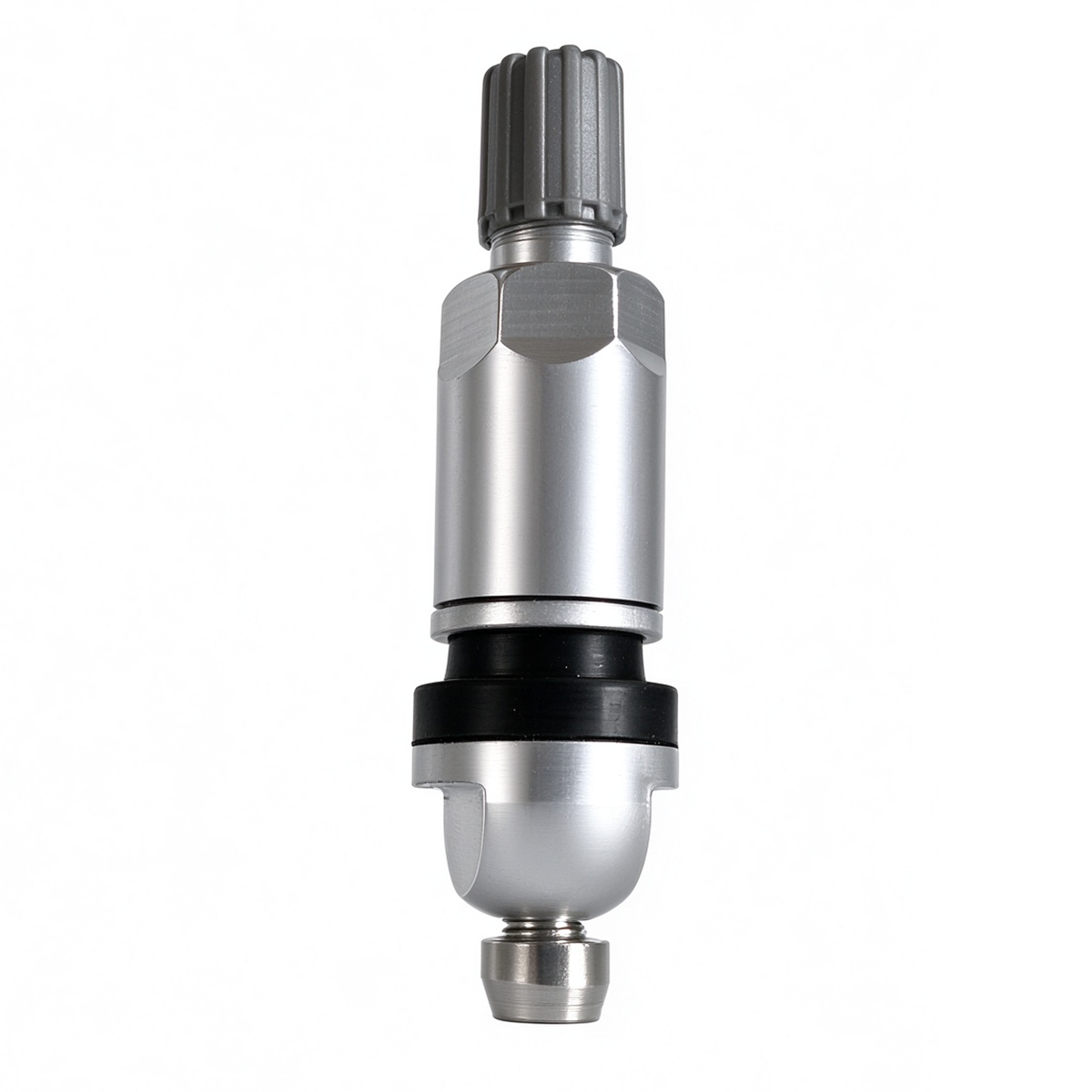
| Corrosion Resistance | Powder-coated heavy-duty steel chassis | 1000h+ Neutral Salt Spray (NSS) ASTM B117 | Dezincification-resistant brass / anodized aluminum |
| EU Compliance Standard | CE Machinery Directive 2006/42/EC | 2000/53/EC (ELV Directive Lead-Free) | ISO/TS 16949 & TÜV Rheinland Approved |
| Cycle Time / Output | 6 – 8 seconds per spin | Pre-cut 5g / 10g or 1/4 oz strips | Quick snap-in / clamp-in installation |
Localized Application Scenarios in Venice & the Veneto Region
Scenario 1: High-Frequency Commercial Logistics Shuttles (Mestre & Marghera Freight Terminals)
Commercial vans and light delivery fleets operating between the mainland Mestre hubs and the Piazzale Roma transport head experience continuous stop-start driving under heavy payload conditions. These vehicles suffer rapid thermal expansion of brake rotors and tire sidewall stress. Workshop technicians in these zones rely on Olsik's industrial truck tire valves (such as V3-20-7 series) and heavy-duty Fe clip-on weights to prevent tire pressure loss and tread imbalance caused by high torque output.
Scenario 2: Space-Constrained Island & Historic Center Service Garages
Repair facilities in urban Venice operate under strict footprint limitations where workshop square footage is at a premium. Olsik's compact dynamic wheel balancers feature a space-saving zero-clearance hood design that allows the machine to be positioned flush against garage walls without sacrificing 28-inch rim balancing capability. Quiet low-RPM drive motors ensure compliance with localized municipal sound abatement regulations.
Scenario 3: Marine-Adjacent Tyre Bays (Lido, Chioggia, & Jesolo)
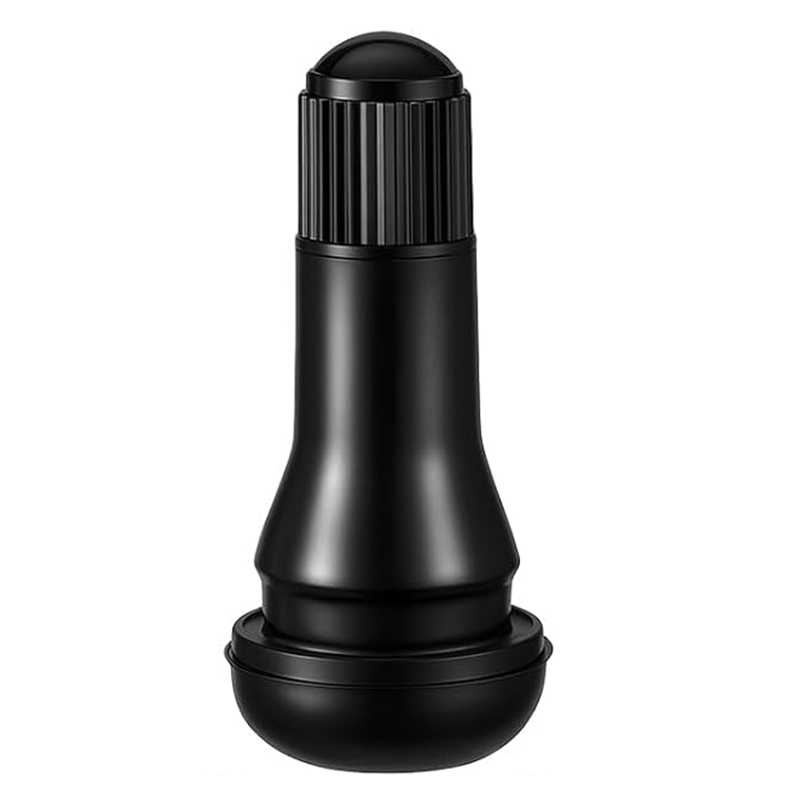
Coastal tire shops face constant challenges with rubber valve degradation due to UV exposure and high salt content in the air. Olsik’s TR413 and TR414 natural rubber snap-in valves incorporate high-grade EPDM/natural rubber blends with ozone-inhibitor additives and solid brass valve stems, eliminating dry-rot cracking and maintaining pressure retention over extended service intervals.